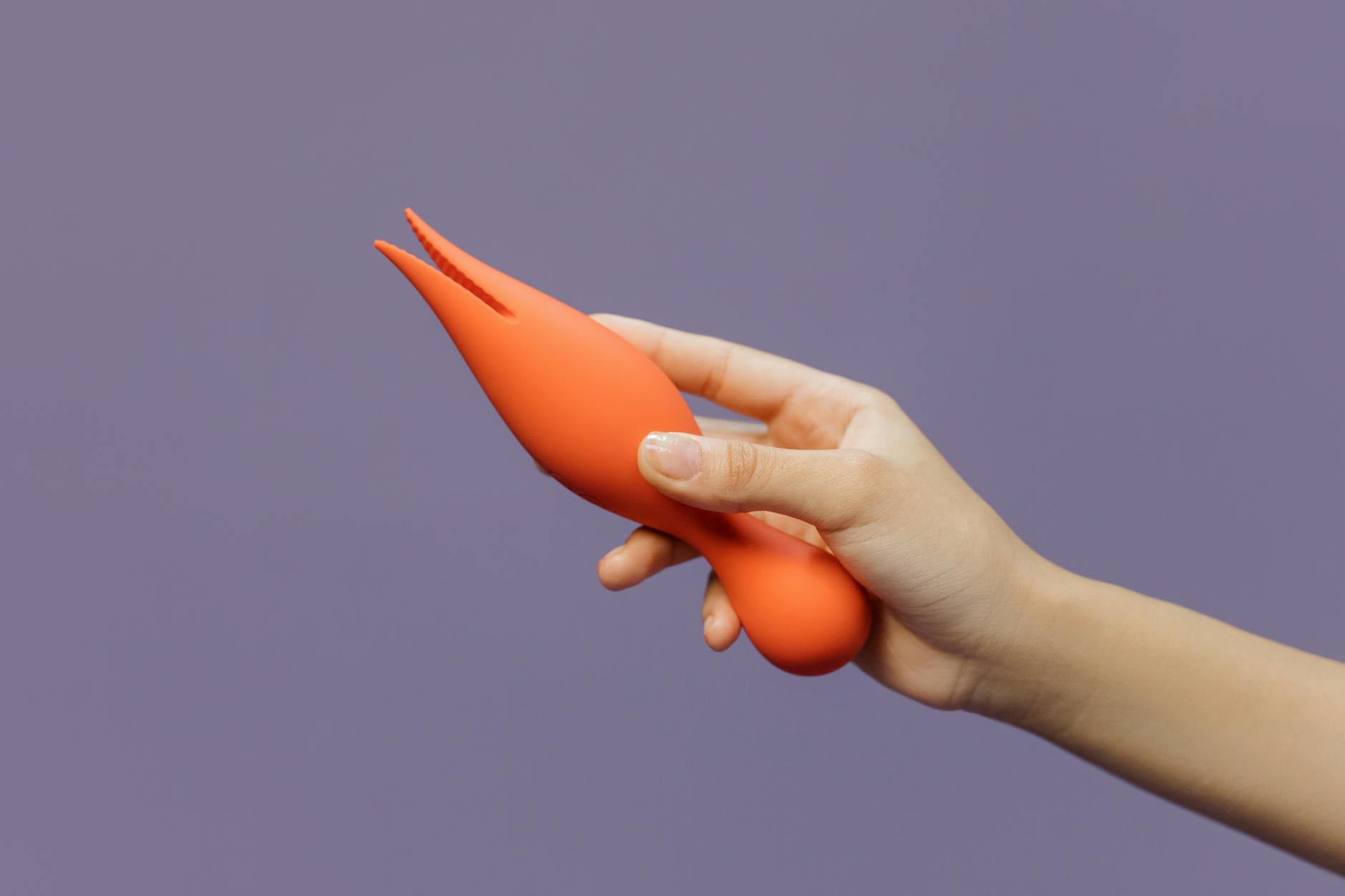
Here's the thing about clitoral numbness
Let's be real. One minute your clitoris feels like a live wire. The next, it feels like you're touching it through a wet blanket. Nothing's technically wrong with you. But nothing feels right either. And when you pick up a vibrator hoping it'll fix it, sometimes that just makes it worse.
Clitoral numbness is wildly common. It sneaks up on people in their 30s and 40s. It happens after years of using the same toy on the same setting. It follows nerve damage from surgery or prolonged pressure. It arrives with certain medications. Sometimes it shows up and nobody knows why. The frustration isn't just physical. It's the loss of something you relied on, and the creeping fear that you've somehow broken the one thing that was supposed to feel good.
Here's what I've learned working with people dealing with this: numbness is not permanent, and lemon vibrators can actually help. But only if you use them the right way.
What causes clitoral numbness in the first place
Five main reasons this happens.
Chronic vibration overuse. You find a toy that works, use it every day on high, and after a few months or years, your clitoris gets desensitized. The nerves adapt. They stop firing the way they used to. This is called habituation, and it's reversible.
Nerve compression. Tight underwear, repeated pressure from the same toy in the same spot, or prolonged sitting on certain surfaces can compress the pudendal nerve, which feeds sensation to the clitoris. The pressure doesn't hurt. You just stop feeling.
Medication side effects. Certain SSRIs, antihistamines, and blood pressure meds dull sensation throughout your body, including down there. This one you need to talk to your doctor about, because sometimes switching medications helps.
Post-surgical nerve damage. After gynecological surgery, vulvar surgery, or even abdominal surgery, nerves take months to fully reinnervate. During that time, numbness is normal.
Hormonal shifts. Lower estrogen thins the clitoral tissue and reduces blood flow. Lower testosterone decreases baseline arousal and nerve sensitivity. Both shift sensation down.
The good news? Most of these are changeable. Numbness is not destiny.
Why lemon vibrators work differently
A lemon clitoral vibrator uses suction plus gentle pulsing, not the intense direct vibration of a traditional vibrator. That matters when you're dealing with numbness.
When you have reduced sensation, your instinct is to go harder. More vibration, more intensity, more pressure. This backfires because it pushes desensitized nerves further into shutdown mode. You're essentially asking already-tired nerve endings to work harder, and they respond by checking out completely.
Lemon vibrators take the opposite approach. They work through suction, which stimulates a broader area of tissue and engages deeper nerve pathways. You're not hammering one spot. You're creating gentle negative pressure that wakes up nerves that have been sleeping. The pulsing then reinforces that stimulation without the aggressive vibration that contributed to the numbness in the first place.
I've had clients report that when they switched from a traditional vibrator to a lemon clitoral vibrator after experiencing numbness, sensation came back within two to three weeks of regular use on the lowest settings.
How to actually use a lem vibrator for numbness recovery
Four rules, non-negotiable.
Start on the lowest setting and stay there for at least a week. This isn't the time to explore. Pattern 1 on a lemon sucker is gentler than it feels like it should be. Use it. Your nervous system needs to remember how to feel, and that happens slowly. If you jump to pattern 3 because pattern 1 feels like nothing, you've just repeated the mistake that created the numbness.
Use it for shorter sessions. Instead of 20 minutes, try five to seven minutes, three or four times a week. This prevents your nerves from adapting to this new stimulus the way they adapted to the old one. You're retraining sensation, not chasing orgasm right now.
Position matters. Angle the lem vibrator slightly, not dead center. Let it work on the side of your clitoral hood, not directly on the most sensitive spot. This distributes stimulation more evenly and prevents you from recreating the focused-pressure numbness.
Combine it with rest. Don't use the lemon clitoral vibrator every day. Three or four times weekly with rest days in between gives nerves time to recover and sensation to build. This is not laziness. This is strategy.
Why patience is the actual tool here
Clitoral numbness didn't develop overnight, and it won't resolve overnight either. Most people expect sensation to roar back within a few days. It doesn't. It creeps back in small ways. One day you notice a slight tingle you didn't feel last week. The next week, the tingle feels a little sharper. Three weeks in, you realize you felt something you haven't felt in months.
This slowness is frustrating. I get it. But it's also proof that your nerves are working. They're waking up. They're reconnecting. That's the whole point.
During this time, check in with how you're using lemon vibrators when pleasure feels disconnected from emotion. Sometimes numbness isn't just physical. If you've been frustrated or anxious about the lack of sensation, your brain might be amplifying that numbness. Working through the emotional side while your nerves recover speeds the whole process.
When numbness needs medical attention
If numbness arrived suddenly after surgery, talk to your surgeon. Post-surgical numbness usually resolves within three to six months, but your doctor should confirm that's what you're dealing with.
If numbness is tied to medication, discuss with your prescriber whether alternatives exist. Sometimes a different drug in the same class has fewer sexual side effects.
If numbness is accompanied by pain, burning, tingling that won't stop, or if it's spreading to other parts of your body, see a doctor. That's not typical desensitization. That's nerve damage that needs professional assessment.
If numbness has persisted for over six months despite rest and changing your approach, a pelvic floor physical therapist or a specialist trained in vulvar health can run tests to identify specific nerve compression or damage. There are treatments for this.
What else actually helps
Beyond the lemon vibrator itself.
Pelvic floor relaxation work. Tight pelvic floor muscles compress nerves and reduce sensation. Learning to fully relax that area (the opposite of Kegels) opens up blood flow and nerve function. A pelvic floor PT can teach you this in a few sessions.
Increased arousal time. Don't jump straight to the vibrator. Spend 15 to 20 minutes building arousal through touch, fantasies, partner touch, whatever works for you. This increases blood flow to the clitoris and primes nerves for stimulation. Then use the lem vibrator. Sensation is always better on a warmed-up body.
Topical options. Water-based lubricant (never silicone when you're using a silicone lemon vibrator) helps sensation register. Some people find that warming lubricant slightly before application helps. Others use topical CBD products designed for vulvar use, which some report increases sensation, though the research is still limited.
Consistency over intensity. Three times weekly at pattern 1 beats one marathon session at pattern 5. Your goal is to retrain your nervous system, and that happens through regular, gentle input.
If you're working with a partner, how to use lemon vibrators when you want to explore with a partner but feel nervous covers how to explain what's happening without it becoming a bigger thing than it needs to be.
The timeline (realistic expectations)
Week one to two: You might not feel much difference. This is normal. Nerves are just beginning to wake up.
Week three to four: Subtle changes. A slight increase in sensation, or a return of feeling in one specific spot.
Week five to eight: Clearer improvement. The tingle is sharper, more consistent, more reliably present.
Week nine to twelve: Significant recovery for many people. Not always back to baseline, but noticeably different from the numb phase.
Beyond twelve weeks: If you're still seeing no change, that's when you bring in professional help. But most people do see progress within this window.
People also ask
Can I use a regular vibrator instead of a lemon clitoral vibrator for numbness?
Technically yes, but it's less effective. Regular vibrators created the numbness in the first place (or at least amplified it) through intense, direct vibration. A lemon sucker uses a fundamentally different mechanism. suction plus pulsing engages the nervous system differently. If you're recovering from numbness, the lemon vibrator is specifically designed to help. That said, if you only have access to a regular vibrator and you're determined to use it, use it on the absolute lowest setting for very short sessions. But a lemon clitoral vibrator is genuinely your best tool here.
How long should I rest my clitoris between vibrator sessions?
At least one full day. If you're experiencing numbness, three or four sessions per week with two or three rest days between them is ideal. Think of it like physical therapy for your nerves. You wouldn't do physical therapy every single day. You'd do it, then let the body recover, then do it again. Same principle.
Does the brand of lemon vibrator matter for numbness recovery?
Quality and design matter more than brand. You want a lem vibrator with adjustable intensity (so you can genuinely stay at pattern 1 without accidentally creeping up), reliable pulsing patterns, and good sealing so the suction actually works. Cheap imitations often have weak suction or jump in intensity in unpredictable ways. If you're investing time in recovery, invest in a tool that actually delivers consistent, gentle stimulation. The lemon clitoral vibrator from Hallo Nancy's Lems is specifically engineered with sensitivity recovery in mind.
What if my partner wants to use the vibrator on me, but I'm scared of them using too much intensity?
Communicate clearly before it starts. Tell them pattern 1, five to seven minutes, and you'll tell them if it needs to adjust. Have a simple signal (like tapping their hand) that means "ease off." Partners often want to help but don't know the difference between "more