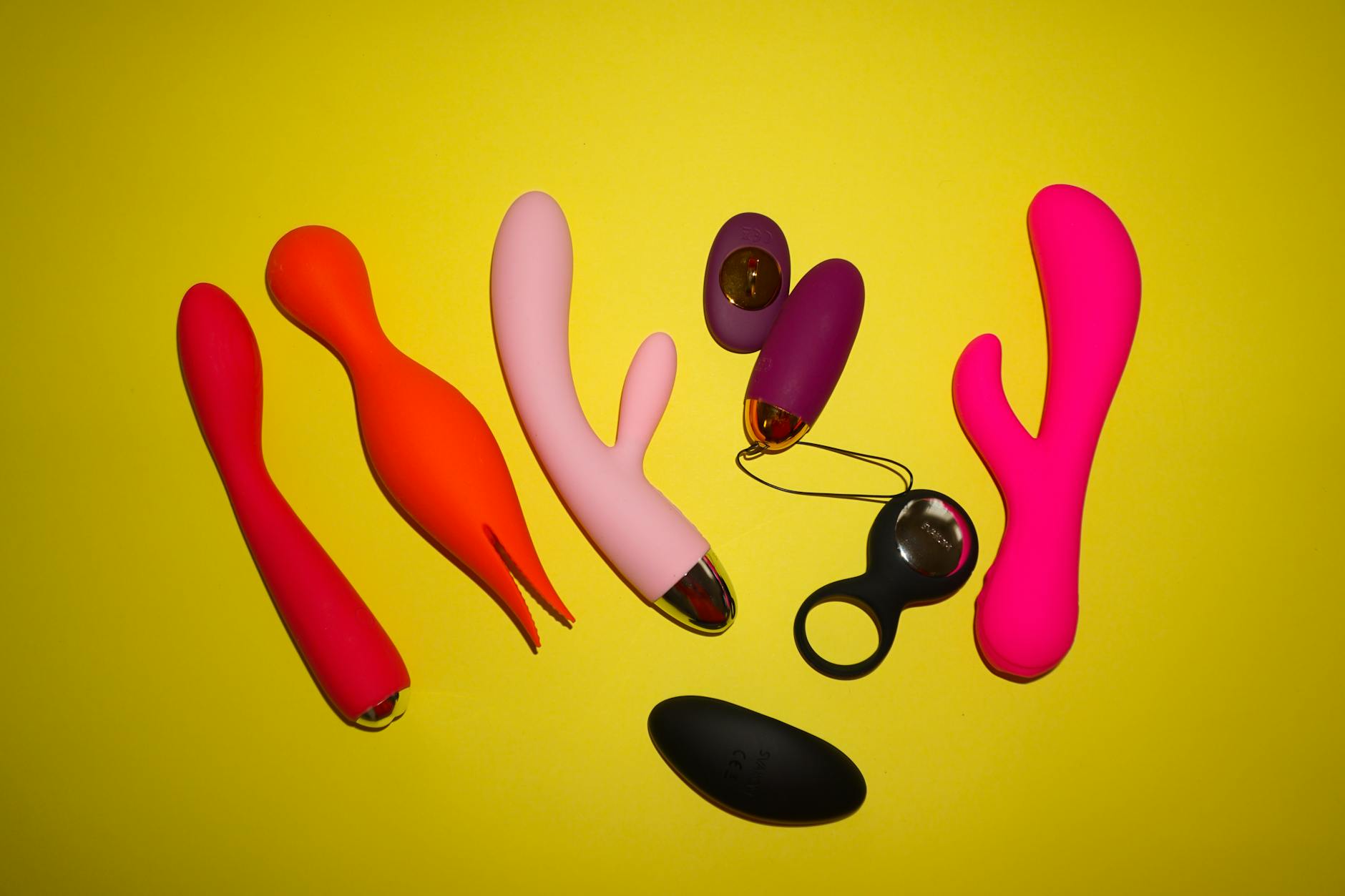
Let's start with the obvious
Vibrators buzz. Lemon suction toys don't. But that one-line difference hides a lot of actually useful information about how each type stimulates your body, which one might feel better for you, and how to figure that out without buying three things you hate.
Here's the thing: talking to people about what actually works for them reveals a pattern that sex toy marketing completely misses. It's not about the toy. It's about matching the toy to how your nervous system responds to different kinds of touch.
The neuroscience is actually straightforward
Your clitoris has around 8,000 nerve endings, and they don't all respond to the same stimulus. Some fire up with sustained pressure. Some need rapid movement. Some light up when pressure changes happen.
Traditional vibrators rely on oscillation. The device moves back and forth quickly, typically 3,000 to 10,000 times per minute depending on the motor. This rapid movement stimulates nerves that respond to speed and rhythm.
Lemon clitoral vibrators like the ones Hello Nancy makes use air-suction technology, which creates a gentle seal and then releases and reseals the area repeatedly. This is different. It's creating rhythmic pressure changes rather than mechanical oscillation. The sensation is closer to oral stimulation than to buzzing.
For some people, that distinction changes everything. For others, it barely registers. That's not random. It comes down to which nerve pathways light up fastest in your nervous system.
Why people gravitate to vibration
Traditional clitoral vibrators are the mainstream choice for a reason. They're predictable. You turn them on, they buzz at a consistent frequency, and for most people, consistent frequency eventually triggers orgasm through sheer neurological persistence.
They're also versatile. Because vibration is mechanical and impersonal, it tends to work across different tissue types and sensitivity levels. Someone with very sensitive tissue can usually use a lower setting. Someone who needs more intensity can turn it up.
The downside is sometimes that consistency becomes boring. Your nervous system adapts to repeated stimulus. If you've been using the same buzzing toy for a while and it stopped working as well, that's not about your body failing. That's habituation. Your nerve endings got used to the pattern.
Vibrators also take some getting used to. The initial sensation can feel intense or even uncomfortable if you're new to them. People often need to start at lower speeds and work their way up to what actually feels good.
Why lemon suction toys feel completely different
Air-suction technology mimics the sensation of oral sex more closely than vibration does. That's not marketing language. It's based on how the stimulation pattern works. Suction creates rhythmic pressure and release, which is the core mechanism of oral stimulation.
For people whose bodies are wired to respond to that specific sensation pattern, suction toys can trigger orgasm faster and sometimes more intensely than vibration. The sensation also stays fresh longer because it's not a repetitive mechanical buzz. The pressure dynamics are changing even when you're not consciously moving the device.
Lemon vibrators are also gentler on sensitive tissue. Because suction isn't abrasive, people with very reactive or tender clitoral tissue often find suction more comfortable than vibration. You're not oscillating against delicate skin. You're creating rhythmic pressure that the tissue accommodates more naturally.
The barrier to entry is lower too. Most people find suction feels good immediately, without the warm-up period that traditional vibrators sometimes need.
One real limitation: suction requires a seal. If you have anatomy where a seal doesn't form easily, or if you're using it in a way where the seal keeps breaking, the device won't work well. That's physics, not a problem with your body. It just means suction might not be your tool.
Sensitivity is the actual deciding factor
If your clitoris is very sensitive, traditional vibration can feel overwhelming. The rapid oscillation creates a high-frequency stimulus that sensitive nerve endings can register as too much, too fast.
If your clitoris is less sensitive or you need a lot of stimulation to reach orgasm, vibration's relentless rhythm often wins. Suction can feel diffuse or not intense enough.
There's also a middle ground: people who like both but for different reasons. Vibration when they want to get there fast. Suction when they want the sensation to last longer or feel more nuanced.
The practical test
If you've never tried either, start with your own hands. Vibrate your fingers against your vulva for a few seconds. Then try gentle suction with your lips or fingers creating a seal and releasing. Which one made your nervous system perk up faster?
That quick reaction tells you something real about your baseline preference. It's not a guarantee, but it's useful information.
If you're trying to decide between buying a traditional clitoral vibrator or trying a lemon suction toy, consider where you're starting from. Have you used vibrators before and found them unpleasant or too intense? Suction is worth trying. Have you never used anything and want a reliable starter that works for most bodies? A traditional vibrator is the safer bet.
Combination play is also completely valid
You don't have to pick one forever. People who have both often find they hit different needs. Vibration for when you're short on time or need direct clitoral stimulation. Suction for when you want something that feels more like partnered touch or when your sensitivity is high.
Trying both also trains your nervous system. The more you explore different sensation types, the more nuance you develop in what you actually prefer. Which is better practice than picking one toy based on marketing and sticking with it for five years.
What Hello Nancy customers report
people who choose lemon clitoral vibrators often mention that the sensation feels more organic and less clinical than traditional vibration. They talk about not needing the ramp-up time. They appreciate that suction feels good in different positions because the intensity doesn't depend as much on exact angles.
People who stick with traditional vibrators often mention speed and consistency. They like knowing exactly what they're getting. They value that slight intensity increase helps them hit their target.
Neither group is wrong. They're just wired differently.
One more practical note
If you're partnered and exploring with someone else, suction often feels less intimidating to introduce. It doesn't buzz loudly. It looks less clinical. The sensation is closer to something a partner might actually do, so it can feel more integrated into partnered sex rather than like a separate toy-based activity.
Vibration is louder and more obviously mechanical, which works fine if you're both comfortable with toys as tools. But if you're navigating someone's first exposure to toy play, suction can be the gentler onramp.
FAQ
How do I know if I'll prefer vibration or suction?
Start with the sensation test. Experiment with your own hands using vibration and gentle suction to see which one your body responds to faster. Pay attention to which sensation makes you think "yes, more of that." That's a real signal. You can also read reviews from people with similar anatomy or sensitivity levels to you, which often sounds like "I have a sensitive clitoris and couldn't use traditional vibrators until I tried suction," or vice versa.
Can vibration and suction be combined in one toy?
Some devices offer both, but most do one thing really well. Combination toys exist but they often compromise on both functions. It's usually better to buy a vibrator that excels at vibration and a lemon suction toy that excels at suction than one device trying to do both. That said, if you find a dual-function toy you like, that's also totally valid.
Is suction safe for sensitive tissue?
Yes, when used correctly. Suction creates rhythmic pressure, not friction or oscillation, which makes it gentler on delicate tissue. That's actually why people with sensitive clitoral tissue often prefer suction toys. Start at the lowest setting, make sure you have a good seal, and you should be fine.
Do I need to use lubricant with lemon clitoral vibrators?
Not necessarily, but many people do. A tiny bit of lube can help the seal form more easily and make the sensation smoother. You don't need much. Water-based lube is ideal because it won't damage silicone. Test without first. If you want to add lube later, you can.
What if I try suction and it doesn't work for me?
Then you now know that about yourself. You're not broken. Suction just isn't your tool. Traditional vibration might be. Or you might need something else entirely. The point of trying different things is ruling out what doesn't work so you can focus on what does. That's progress.
Can I use both with a partner, or is that weird?
Not weird at all. Some couples use different toys for different moments. Some use them together. Some take turns deciding which tool is part of the session. Talk about it first so nobody's surprised mid-intimacy, but there's nothing strange about using multiple types of stimulation. That's pretty common.
The real takeaway
Your clitoris is specific. Its nerve endings care about stimulus type, intensity, duration, and rhythm. Traditional vibrators and lemon suction toys deliver all of those things differently. Spending ten minutes figuring out which one resonates with your nervous system is ten minutes better spent than buying three things randomly and hoping.
If you're curious about trying suction for the first time, our guide to lemon clitoral vibrators covers the mechanics in more detail. If you already know you love vibration and want to explore other sensations, here's what changes when you're selecting toys for sensitive tissue. And if you're trying to figure out how sensation changes across your body and your life, why lemon vibrators feel different after 30 walks through that evolution.
Your pleasure is specific to you. The tool should match that specificity, not the other way around.
If you have questions about which type might work for your body, or you want to talk through what you're looking for, reach out. That's what we're here for.