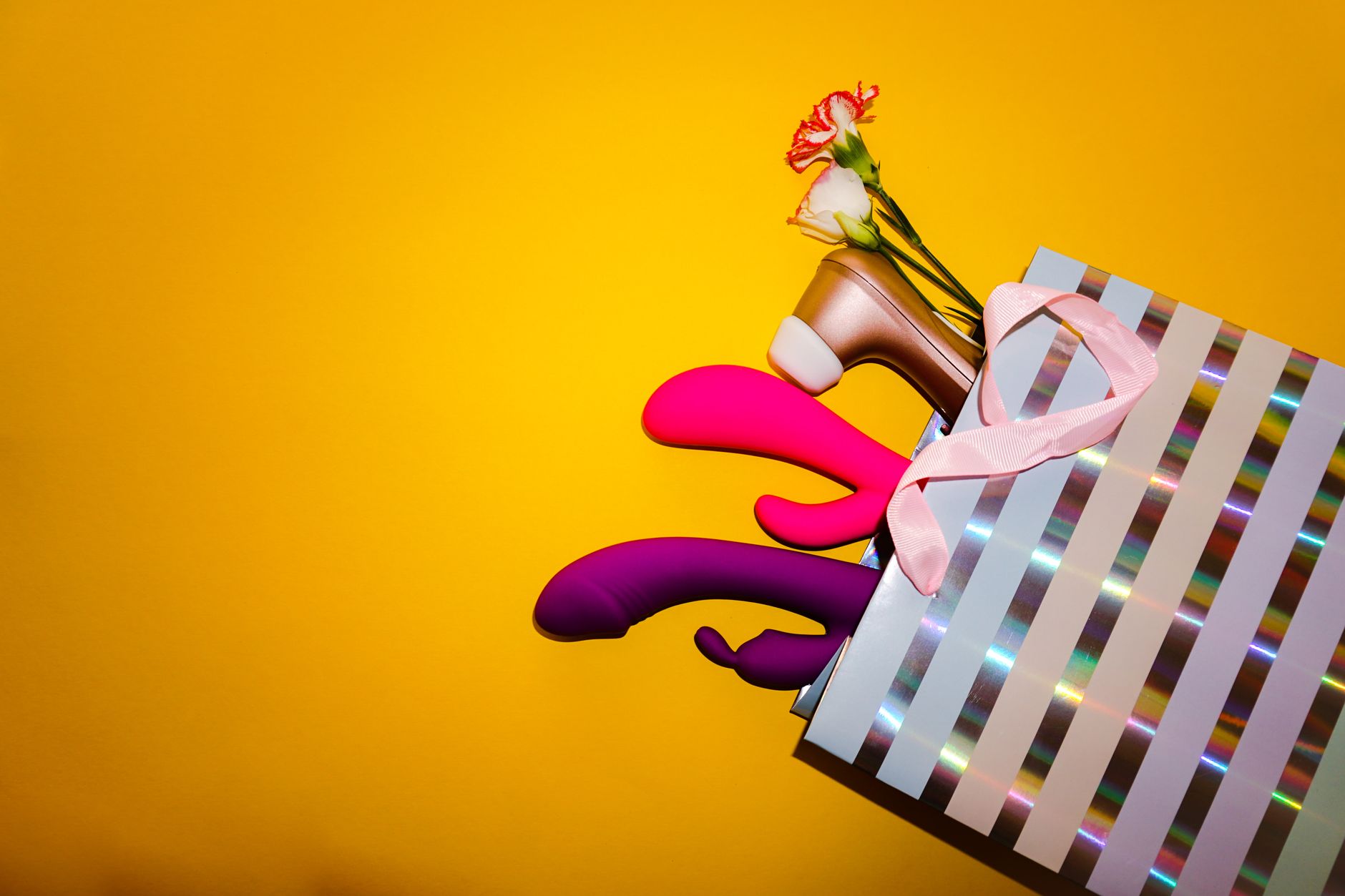
Why sensitive tissue needs a different approach
Let's be real: not all vibrators feel the same on sensitive skin. The ones that buzz directly against the clitoris can feel overwhelming, almost jangling, especially if you have reactive tissue, trauma history, or just naturally sensitive nerve endings. That's where lemon vibrators and air-pulse clitoral stimulators change everything.
The mechanism is fundamentally different. Instead of mechanical vibration, lemon sucker toys use gentle suction waves to stimulate the clitoris without direct friction. For people with sensitive clitoral tissue, this shift from friction-based to pressure-based stimulation is the difference between discomfort and genuine pleasure.
The science behind air-pulse versus traditional vibration
Traditional vibrators work through rapid oscillation. A motor moves back and forth at speeds ranging from 1,000 to 13,000 cycles per minute, creating sustained friction against the skin. This is intense and works brilliantly for people who want that direct, building sensation.
Lemon clitoral vibrators and similar air-pulse devices operate on a completely different principle. They create waves of gentle suction that stimulate the thousands of nerve endings in and around the clitoris without repeated friction. Think of it less like tapping and more like rhythmic pressure.
Here's what matters: the clitoris has around 8,000 nerve endings concentrated in a tiny area. When tissue is sensitive (from inflammation, hormonal shifts, past tension, or just natural sensitivity), direct friction can feel sharp or scattered rather than pleasurable. Suction waves distribute stimulation more evenly across the tissue, allowing arousal to build more gradually and controllably.
Who benefits most from lemon vibrators
Three groups consistently find air-pulse lem vibrators more comfortable than traditional options.
People with vulvodynia or vaginismus. These conditions involve chronic pain or involuntary tension. The non-contact, pressure-based approach of a lemon sucker avoids triggering the protective muscle response that direct vibration often does.
Post-menopausal people. Declining estrogen thins the clitoral tissue, making direct vibration feel harsh. Air-pulse stimulation works brilliantly here because it doesn't require thick, robust tissue to feel amazing. The gentler pressure actually matches what the body needs.
Anyone recovering from sexual trauma. The control and lack of direct contact that lemon clitoral vibrators offer can feel safer while you're rebuilding trust in your body. You can start at the lowest intensity and adjust in real time without jarring transitions.
People on medications affecting sensation. Certain antidepressants, antihistamines, and hormonal treatments can numb sensation or create nerve sensitivity. Air-pulse toys often feel more effective because the suction mechanism can reach deeper nerve clusters that vibration alone misses.
How to choose the right lemon vibrator for your body
Not all air-pulse clitoral vibrators are identical, and sensitivity levels vary widely. Here's how to navigate the options.
Intensity range matters most. Look for devices with at least 5-8 intensity levels. If you're new to suction-style stimulation or have reactive tissue, you want to start at setting 1 or 2 and work your way up slowly. A single-speed lem vibrator might feel fine once you're accustomed to the sensation, but it's too blunt for first-time users with sensitivity.
Rim shape affects comfort. Larger rims distribute suction across a wider area, which feels gentler and more dispersed. Smaller, more targeted rims concentrate sensation on a tighter area. For sensitive tissue, start with a medium or larger rim and move to smaller only if you want more focused intensity later.
Silicone quality reduces irritation. Medical-grade or body-safe silicone won't create micro-tears or cause allergic reactions. Cheaper materials can feel grabby and cause inflammation even if the suction mechanism itself is gentle. Invest here.
Waterproofing matters for cleaning. Suction-based toys trap moisture inside the rim. Full waterproofing means you can rinse them thoroughly under running water without worrying about water entering the motor housing. This prevents bacterial growth, which is especially important for sensitive tissue prone to infection.
The step-by-step approach to your first session
Intensity and pacing matter more with air-pulse toys than with traditional vibrators. Here's how to use a lemon vibrator safely if you've never tried one before.
Start with lowest intensity, longest warm-up. Set your device to level 1 or 2. Don't expect sensation immediately. Let your body adjust to the suction feeling, which might feel foreign at first. Give yourself 10-15 minutes before deciding how it feels. Pleasure builds differently with suction than with vibration.
Maintain consistent lubrication. Suction works best when there's a light seal between the rim and your skin. Water-based lubricant helps create that seal without creating friction. Reapply midway if you notice sensation changing or the rim feeling dry.
Never jump to high intensity. If level 1 feels too intense, that's completely normal and not a sign the toy doesn't work for you. It means your tissue is reactive right now. Stay at level 1 for several sessions, or even try just holding the toy against your skin without turning it on, letting your nervous system acclimate.
Move the toy slowly. Unlike traditional vibrators where movement isn't necessary, lem vibrators benefit from slow repositioning. Small circles or light rocking help you find spots where the sensation feels best. Your clitoris has different zones of sensitivity; suction helps you discover them.
Stop if anything feels sharp. Sharp sensations, burning, or intense discomfort mean either the intensity is too high, you need more lubrication, or your tissue isn't ready yet. This isn't failure. It's information. Back off and try again another time.
Common mistakes that make sensitivity worse
I see three patterns that turn people away from lemon clitoral vibrators prematurely.
Starting too high. Jumping to level 5 or 6 because you're impatient overwhelms sensitive tissue and creates soreness for days. Your nervous system then associates the toy with discomfort. Start at the bottom. Seriously.
Not adjusting the rim position. The rim angle against your body changes sensation dramatically. Some people prefer it directly centered on the clitoris; others find sensation much better slightly off-center. Experiment before assuming the toy isn't working.
Using silicone lube on silicone toys. Silicone lubricant degrades silicone toys over time, and it can trap moisture against your skin, creating irritation. Water-based lubricant is the correct pairing for medical-grade silicone lemon vibrators.
When to see a healthcare provider
If you've tried air-pulse stimulation multiple times at low intensity with plenty of lubrication and it still creates pain or irritation, talk to a gynecologist or sex therapist. Persistent pain during sexual contact can signal treatable conditions like dermatitis, hormonal imbalance, or pelvic floor dysfunction.
Similarly, if sensation feels completely numb even at high intensity, that's worth investigating. Medication side effects, nerve damage, or hormonal changes might be at play, and a specialist can help troubleshoot.
Remember, exploring your pleasure with sensitivity in mind is not weakness. It's intelligence.
Frequently asked questions
How is a lemon vibrator different from a regular vibrator?
Lem vibrators and similar air-pulse devices use gentle suction waves instead of rapid vibration. This creates gentler, more dispersed stimulation without direct friction against sensitive tissue. Traditional vibrators work through mechanical oscillation, which can feel intense or sharp for people with reactive skin or trauma history. The pressure-based approach of a lemon clitoral vibrator allows for more control and usually builds sensation more gradually.
Can I use a lemon sucker if I have vulvodynia?
Many people with vulvodynia find air-pulse toys more comfortable than vibrators because they avoid the triggering friction that can intensify pain. However, everyone's vulvodynia is different. Start at the lowest intensity, use plenty of water-based lubricant, and stop immediately if sensation feels sharp. Working with a pelvic floor specialist alongside toy exploration gives you professional guidance tailored to your specific pain pattern.
What's the right intensity level for sensitive clitoris?
There's no universal right answer. Most people with sensitive tissue start at level 1 or 2 and gradually progress over weeks or months. Some stay at low intensity indefinitely because that's what feels best. The right level is the one that creates pleasure without pain or soreness afterward. If you're sore the next day, the intensity was too high.
How often can I use a lemon vibrator if my tissue is sensitive?
Daily use is fine if sensation feels good during and you have no soreness afterward. Sensitivity is about intensity and friction, not frequency. If you notice soreness developing, take 2-3 days off and then resume at a lower intensity. Your tissue might need more recovery time than you expected, and that's completely normal.
Do lemon clitoral vibrators work for people on antidepressants?
Many people on SSRIs or other medications that affect sensation report that air-pulse lem vibrators work better than traditional vibrators. The suction mechanism can sometimes reach deeper nerve clusters and create sensation where vibration alone falls flat. However, medication-related numbness is individual. What works brilliantly for one person might not for another. Patience and low-intensity experimentation are key.
Is water-based lubricant necessary with a lemon sucker?
Not absolutely necessary, but strongly recommended. Suction works best with a light seal between the toy's rim and your skin. Lubricant helps create that seal and prevents the rim from feeling dry or grabby. Without it, sensation can feel scattered or uncomfortable. Water-based lubrication is the correct choice for medical-grade silicone lemon vibrators.
The bigger picture
Sensitivity isn't a problem to solve. It's a starting point for learning what your body actually enjoys. Lemon vibrators and air-pulse clitoral stimulators exist partly because so many people found traditional vibration too rough, too rigid, too one-dimensional.
If you've tried standard toys and they didn't work, that doesn't mean you're broken or unresponsive. It means you're the type of person who benefits from a different approach. That's genuinely valuable information.
Your pleasure matters. Sensitive or not, reactive or resilient, you deserve tools and knowledge that match your actual body, not some theoretical ideal version. Start slow, stay curious, and give yourself permission to adjust as you learn what works.