
Here's what nobody tells you about hormonal IUDs and pleasure
You got a hormonal IUD (Mirena, Kyleena, Skyla, Liletta) because it worked for contraception, cramps, or bleeding. Then something shifted. Your lemon vibrator, which used to feel amazing, now feels blunt. Arousal takes longer to build. Maybe orgasms feel less intense. You're wondering if something broke.
Nothing broke. Your hormones just changed.
What a hormonal IUD actually does to your body
A hormonal IUD releases a steady, low dose of levonorgestrel (a synthetic progestin) directly into your system. It's not the same dose as hormonal birth control pills, and it's localized to your pelvis, but it's there. This creates a unique hormonal environment that's different from both natural cycling and pill-based contraception.
Here's what happens: the progestin thickens your cervical mucus, thins your uterine lining, and suppresses ovulation (mostly). But it also affects vaginal and clitoral tissue thickness, blood flow patterns, and how your nervous system responds to stimulation. About 30-40% of IUD users report changes in sexual sensation. Most adapt. Some switch devices. Most don't realize it's a real physiological change, not a relationship problem or a sign of depression.
Why your lemon vibrator might feel less effective
Three tissue-level changes happen with a hormonal IUD.
Reduced blood flow to genital tissue. Estrogen is a major regulator of vaginal and clitoral blood flow. A hormonal IUD lowers systemic estrogen slightly and increases progestin, which can reduce engorgement during arousal. Less engorgement means less sensitivity to stimulation, including the gentle suction of a lemon clitoral vibrator.
Thinner clitoral nerve endings. Estrogen supports the density and responsiveness of nerve fibers in genital tissue. With lower circulating estrogen, some people experience what feels like numbness or reduced sensation, even though the nerves are fine. You're not broken. Your tissue is just different.
Slower arousal ramp-up. Without the hormonal surge that happens during a natural cycle, your body takes longer to shift into parasympathetic mode (the state where arousal happens). This means you need more time, more stimulation, or more intentional mental engagement before your body is ready to respond.
The result: you use your lemon vibrator the same way, at the same intensity, for the same duration. And it doesn't land the way it used to.
Why this doesn't mean your device is wrong
Lemon vibrators and other clitoral suction devices work brilliantly for lots of people with hormonal IUDs. The issue isn't the device. It's the mismatch between old expectations and new physiology.
If you've been using a lemon vibrator happily for years and suddenly it feels off, your first instinct is often: the toy broke, or I'm broken. Rarely do we think: my hormones changed. But that's usually what's happening.
Here's the weird part: you might find that a lemon vibrator actually works better than traditional vibrators now. Why? Because lemon suction devices don't rely on high-frequency buzzing to stimulate nerve endings. They use pressure and rhythm, which can feel more pronounced on tissue that's less engorged. Traditional vibrators sometimes feel even duller with an IUD because they depend on that engorgement.
How to recalibrate your pleasure with an IUD
Four adjustments that work for most people.
Extend your warm-up time. If you used to need 5-10 minutes to feel ready, budget 15-20 now. This isn't a sign of low desire. It's just how your nervous system responds to lower estrogen. Use this time for mental focus, fantasy, partner touch, or gentle external stimulation before you bring in your lemon vibrator.
Start lower and go slower. Your lemon clitoral vibrator probably has multiple intensity levels. You might have been starting at level 3 or 4. Try starting at level 1 or 2 and spending 2-3 minutes there before increasing. This gives your tissue and nervous system time to register the sensation and build from there.
Add lubrication. Even if you didn't need it before, a water-based lube can help bridge the gap between the sensation you're getting and what your body is registering. Lubrication also reduces any friction discomfort if your tissue is slightly thinner.
Experiment with pattern variation. Many lemon vibrators have multiple patterns beyond intensity levels. Try patterns you haven't used before. Sometimes a slower, wider pulse works better with IUD-related tissue changes than the rapid pattern you've always relied on.
The goal isn't to get back to exactly how it felt before. It's to find the settings and timing that work now.
When to consider switching methods (and when not to)
If you've given it 4-6 weeks of adjusted use and your lemon vibrator still feels ineffective, you have options.
Switching to a traditional vibrator sometimes helps, especially one with a wider, flatter head. Broader stimulation sometimes works better when tissue is less sensitive. You could also try a clitoral vibrator with adjustable suction intensity, since some people with IUDs need gentler suction than others.
But before you assume the lemon vibrator isn't for you anymore: remember that most of the pleasure shift is neurological, not mechanical. Your brain adapts slowly. Give it time.
One more thing to consider: if you're unhappy with your IUD overall, that's separate from the vibrator conversation. But don't blame the device for a hormonal system that's changed. They're not the same problem.
Pleasure with an IUD is different, not diminished
Many people with hormonal IUDs report that once they stop fighting the change and start working with it, pleasure deepens in unexpected ways. You might find that your orgasms, while slower to build, are more controllable. You might discover that you enjoy extended sessions more because you're not racing toward a finish line. You might learn things about your own arousal that you never would have if everything had stayed exactly the same.
A hormonal IUD doesn't end pleasure. It remixes it.
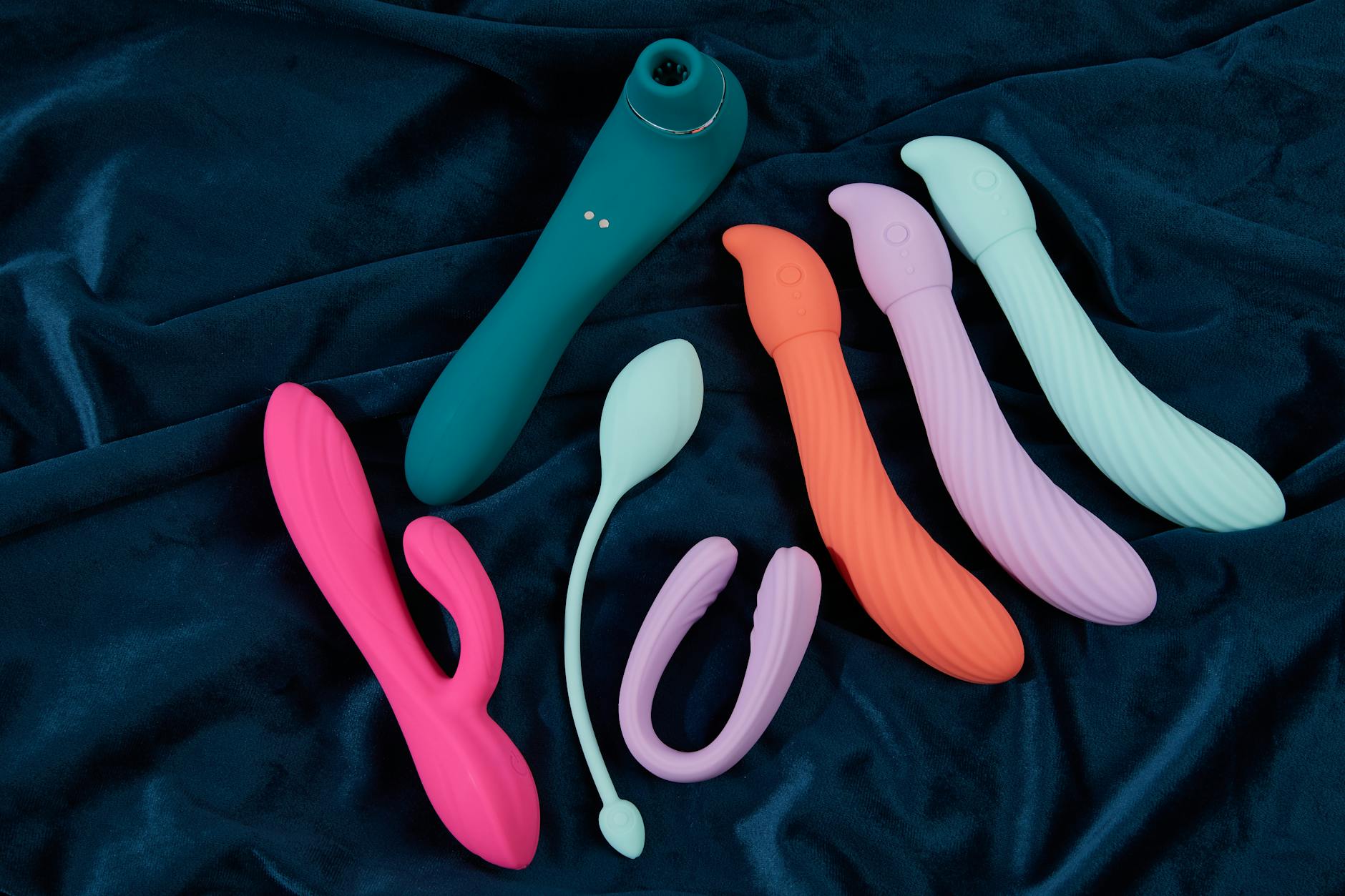
Photo by IFONNX Toys on Pexels
FAQ: Hormonal IUDs and clitoral vibrators
Will my sensation come back if I remove my IUD?
Yes. Most people report a return to pre-IUD sensation within 2-4 weeks of removal. Tissue sensitivity and blood flow typically normalize fairly quickly once progestin levels drop. Some people notice the shift even before their next cycle.
Is it normal to have reduced orgasms with a hormonal IUD?
Absolutely. About 25-30% of IUD users experience some change in orgasm frequency or intensity. It's not a side effect in the medical sense (like nausea or headaches). It's a normal biological response to the hormonal environment. Most people adapt and find new rhythms that work.
Should I use a different lemon vibrator pattern with an IUD?
Maybe. If your device has multiple patterns, it's worth experimenting. Some people find that slower, wider pulses work better than rapid ones. Others need gentler suction. There's no universal answer, so try what your device offers and see what lands.
Can I use my lemon vibrator during the first week after IUD insertion?
No. Wait at least 1-2 weeks after insertion, and ideally until any spotting or cramping has resolved. Your cervix and uterus need time to adjust. Check with your provider about the specific timeline, but in general, give yourself grace and let your body settle first.
Does a copper IUD affect sensation the same way as a hormonal IUD?
No. A copper IUD is non-hormonal, so it doesn't change your hormonal environment. Sensation changes with a copper IUD are usually related to cramping, heavier periods, or increased pelvic tension (which you might manage differently). The hormonal mechanism is entirely absent.
If pleasure feels muted, does that mean my IUD isn't working?
Not at all. Contraceptive effectiveness and sexual sensation are completely separate. A hormonal IUD is highly effective regardless of how your pleasure feels. The sensation change is a side effect of the hormones, not a sign that the contraception is failing.
Ready to explore what works for you now
Your body with a hormonal IUD is not a broken version of your body before. It's a different version. That difference might feel frustrating at first, especially if you had a device and routine that felt perfect. But different isn't worse. It's just different.
If you're struggling with sensation changes or arousal with your IUD, start by giving yourself time to adjust and trying the recalibration tips above. You might find that small changes in timing, intensity, and technique make all the difference. And if you want to talk through what's happening in your relationship or your own pleasure journey, get in touch.
Your lemon vibrator isn't less effective. Your body is just speaking a new language. Learn to listen.