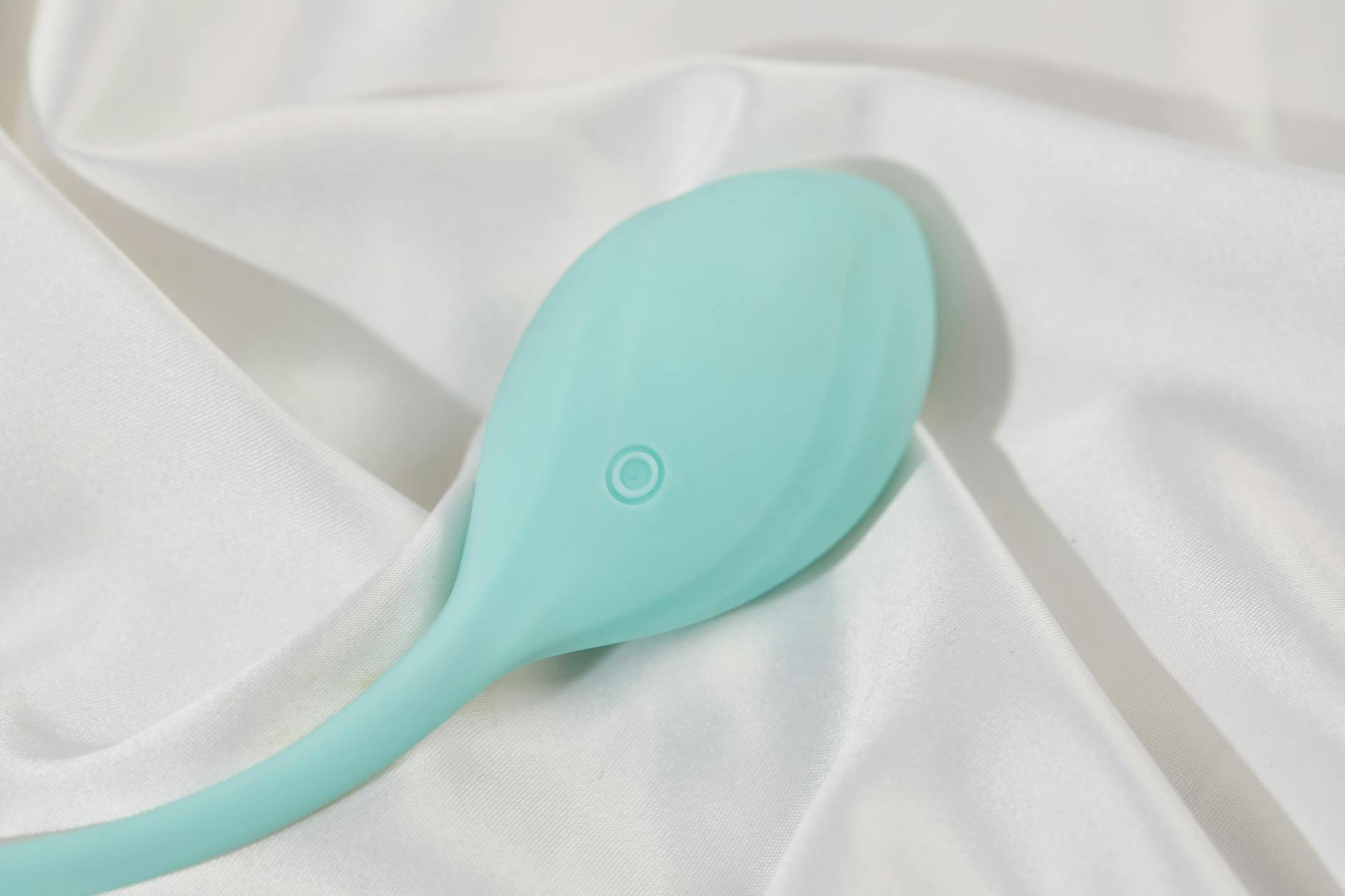
Let's talk about the sex life you didn't know you lost
Divorce or a long-term separation does something strange. It doesn't just end a relationship. It interrupts your relationship with your own body. After years of negotiating desire with another person, you've probably forgotten what pleasure feels like when it's just for you. That's not unusual. That's actually the most common thing I hear from clients rebuilding their intimate lives solo.
The good news? Your body didn't forget. You just need to remember how to listen to it.
Why this moment matters differently than you think
Here's what nobody tells you about post-separation pleasure: it's not about "getting back out there." It's about getting back to yourself. The difference is massive. One frame keeps you looking outward for validation. The other points you inward, toward what actually feels good in your nervous system.
Solo pleasure after separation or divorce is a form of reclamation. It's not lonely or desperate. It's the opposite. It's you saying: my body deserves attention, care, and sensation independent of someone else's presence or approval. That's radical.
Why lemon vibrators work during this transition
There are practical reasons and deeper reasons. Let me start with the practical ones.
After years of partnered sex, your clitoris may have gotten used to a particular rhythm or pressure. If the relationship ended with a lot of withholding, avoidance, or misaligned desire, your arousal pathways might feel sluggish or protective. You're not broken. Your body just learned to be careful.
Lemon clitoral vibrators, with their suction-based stimulation, feel different than what you probably experienced before. They don't rely on friction or percussion. Instead, they create a gentle rhythmic pressure that feels novel and less triggering to bodies that have learned to guard themselves. They work with sensitivity instead of against it. The sensation builds slowly, which gives your nervous system time to recognize that this is safe, this is yours, and you get to decide exactly what happens.
The deeper reason? Lemon vibrators feel nothing like partnered sex. That's intentional. You're not trying to recreate what you had. You're building something entirely new that belongs to you alone.
The practical setup for rebuilding solo pleasure
Four things matter here.
Start when you're genuinely ready, not when you think you should be. This isn't about a timeline. If it's been three months or three years, timing is personal. You'll know you're ready when you feel curious rather than desperate. Desperate is looking for escape. Curious is looking for discovery. Those feel very different in your body.
Claim physical space that feels safe. This matters more than you might think. The bedroom you shared, the bathroom you bathed in with them present, the bed you both slept in. These spaces hold memory. Consider starting somewhere different if you can. A bedroom you've redecorated. A bathroom with new towels and candles you chose. A comfy spot on the couch where you've never been touched by them. Physical environment shapes nervous system response more than we admit.
Give yourself permission to feel nothing at first. Your body may not respond right away. That's not failure. After years of partnered dynamics, your clitoris might take time to recognize that pleasure is actually available. You might feel numb, disconnected, or mechanical. That's normal. Keep going gently. Your body will wake up when it trusts that it's safe.
Use a good water-based lubricant. Not because anything is wrong, but because your clitoris deserves care. Lubrication changes sensation, makes it feel less urgent, and helps your body relax more deeply into the experience. It's not a workaround. It's a kindness you're offering yourself.
What to expect in the first few weeks
Week one or two: you might feel self-conscious. That's grief. You're mourning the loss of partnered intimacy, even if the relationship was unhealthy. Your body remembers being touched by someone else and might feel strange being the only one in control. That's okay. Breathe through it.
Week three to five: sensation might start to shift. You might notice that your clitoris responds differently when you're not performing arousal for someone else. It might take longer to build. It might feel more localized, or weirdly intense. You might not orgasm at all, or you might orgasm differently than you remember. All of this is you, rediscovering you.
After that: pleasure often starts to feel more accessible, less complicated, and significantly more yours. Many people report that solo orgasms feel more satisfying after separation because there's no negotiation, no accommodation, no part of your brain worrying about someone else's experience. You get to be entirely selfish. That's the whole point.
The emotional work that makes the physical work better
Using a lemon vibrator solo after separation isn't just about nerve endings. It's about reestablishing agency. For years, your body may have been a site of compromise, avoidance, or conflict. Even in good relationships, partnered sex requires negotiation. Solo pleasure requires none. It's the first time in a long time that your body gets to be entirely yours.
That might sound simple. It's not. Your nervous system may resist it. You might feel guilty enjoying yourself. You might hear an internal voice saying this shouldn't matter this much, or you should be getting this satisfaction from another person. That voice belongs to the old relationship story. You're writing a new one.
How to deepen the experience
Once you're comfortable with basic sensation, three things can help you go deeper.
Slow down your expectation of orgasm. Many people rebuild solo pleasure by chasing the same outcome they remember from partnered sex. But solo pleasure often builds differently. It might peak, plateau, shift, and come back. You might build toward an orgasm and then float back down, satisfied without climax. You might have multiple small peaks instead of one intense one. Let the experience be what it is rather than forcing it toward a particular ending.
Pair the lemon vibrator with what you've learned about yourself. After separation, you often know yourself better. You've had time to think about what actually turns you on without someone else's preferences layered on top. Were you into a particular fantasy? A specific memory? A sensory detail you never felt safe exploring with a partner? Solo pleasure is where you finally get to go there. The lemon vibrator is just the vehicle. Your mind is the real thing doing the work.
Notice what your body tells you about readiness for partnered intimacy. As you rebuild solo pleasure, you'll start to understand what arousal actually feels like for you independent of someone else. That becomes the blueprint for future partners. You'll know what to ask for, what to avoid, and what your body actually needs. That clarity is gold.
When grief and pleasure mix
Something unexpected often happens during this process. You might be mid-orgasm and suddenly feel sad. You might start crying. You might feel angry at your ex, or at yourself, or at the time you lost. All of this is grief finding its way out through sensation.
Don't stop. Let it happen. Pleasure and grief can coexist. In fact, they often need to. Your body is storing both the loss of partnered intimacy and the relief of having control over your own again. Both are true simultaneously.
The confidence that rebuilds from here
Here's what tends to happen after a few months of rebuilding solo pleasure. You start to carry your body differently. You move through the world with less apology. You understand what you actually want instead of defaulting to what someone else wanted. You stop waiting for someone else to make you feel good and realize you were always capable of it.
When you eventually feel ready for partnered intimacy again (and only if you want it), you'll enter from a completely different place. You won't be looking for someone to fix your pleasure or complete you. You'll be looking for someone who wants to explore what you've already learned about yourself. That's a much stronger position. That's power.
People also ask
How long after a divorce should I wait before using a lemon vibrator or exploring solo pleasure?
There's no universal timeline. Some people are ready in weeks. Others take a year or more. The real marker isn't time but emotional readiness. You'll know when curiosity feels stronger than grief or fear. If you're asking this question because you think you "should" be healing on a certain schedule, take the pressure off. Your body will let you know when it's ready to feel good again.
Will using a lemon clitoral vibrator make it harder to enjoy partnered sex later?
No. The opposite actually tends to be true. Solo pleasure with a lemon vibrator helps you understand your own arousal patterns, which makes partnered sex more satisfying. You know what you like, you can communicate it, and you're not relying entirely on someone else for your pleasure. If anything, that knowledge makes you a better, more confident partner.
What if I don't orgasm the first time I use a lemon vibrator solo?
That's completely normal, especially after separation. Your nervous system may take time to trust that pleasure is actually available without a partner present. Keep experimenting. Try different settings, different times of day, different moods. Sometimes orgasm isn't the point. Sometimes just reconnecting with sensation matters more. The goal isn't climax. The goal is rediscovering what feels good to you.
Is it okay to think about my ex while using a lemon vibrator for solo pleasure?
It's okay to think about whatever your brain naturally goes to. Some people fantasize about their ex. Some think about someone new. Some don't think about a person at all. What matters is that you're not using the vibrator to punish yourself or prove something. If the fantasy feels healing and pleasurable, that's fine. If it feels like you're trying to convince yourself you're over them, that's different. Pay attention to how you feel after.
Can a lemon vibrator help with numbness or disconnection from my body after divorce?
Yes. One of the most valuable uses for a lemon vibrator after separation is reconnecting with sensation when your body feels numb or protective. The suction-based stimulation of lemon clitoral vibrators can help wake up nerve endings that have been dormant. Start gentle, be patient with yourself, and notice small sensations rather than chasing big ones. Your body will gradually remember that feeling good is safe.
How do I talk to my therapist about rebuilding solo pleasure after divorce?
Directly. A good therapist expects this conversation. Frame it as part of your self-care and reclamation. If your therapist seems uncomfortable, that might be worth noting. You deserve a provider who understands that solo pleasure is a healthy, normal part of healing from relationship loss. If you're looking for support, a therapist who specializes in sexuality or relationship recovery can be particularly helpful during this transition.
The reclamation begins here
Using a lemon vibrator for solo pleasure after divorce or separation isn't frivolous. It's you taking back something that belonged to you all along: your body, your sensation, your right to feel good without apology or negotiation. That's not healing. That's freedom.
Start whenever you're ready. Start gently. Start with curiosity instead of pressure. Your body has been waiting for this conversation with you. The lemon vibrator is just the opening line.
If you want more support navigating intimacy during life transitions, reach out. We're here to help.