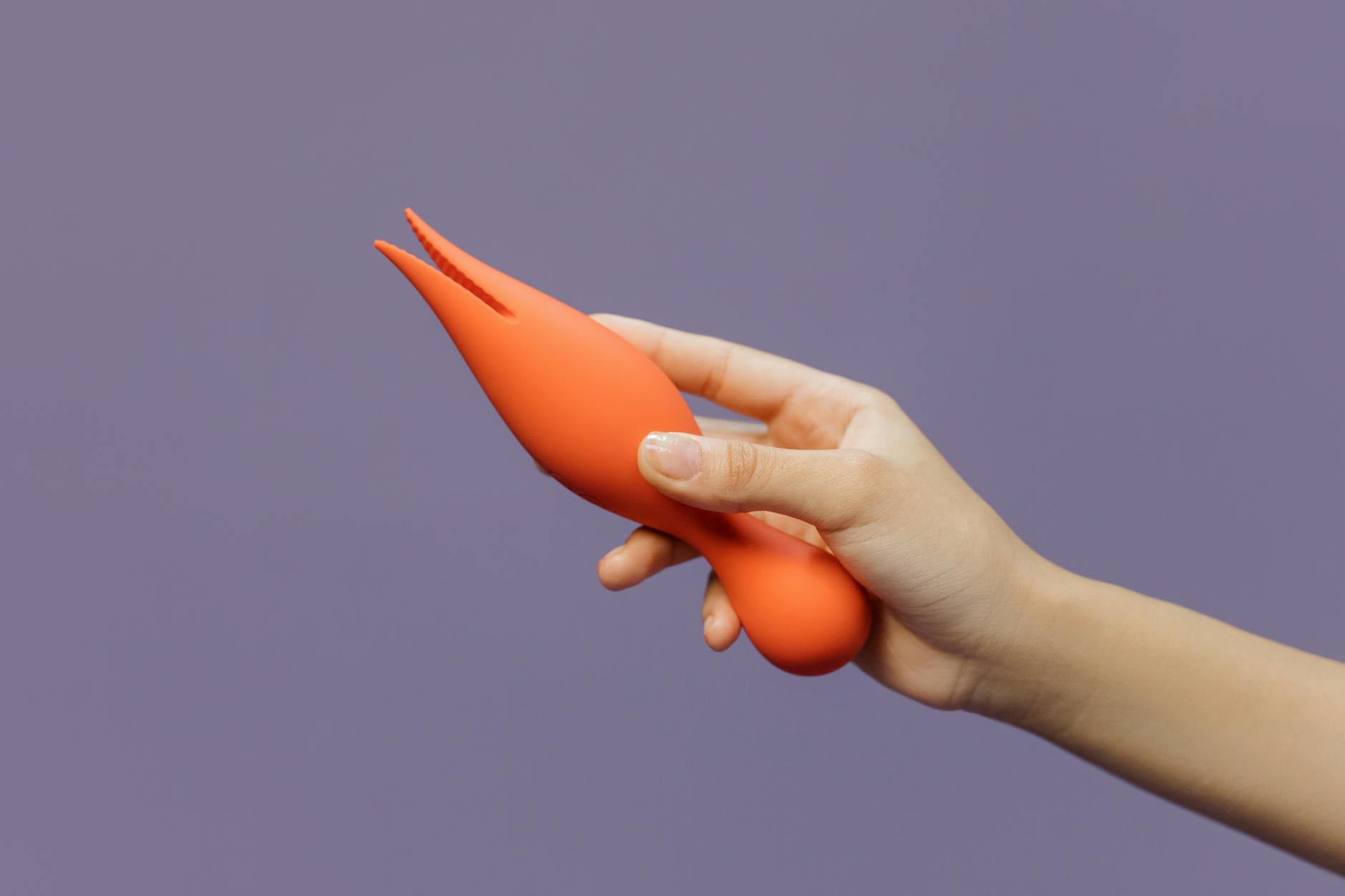
When sensation goes quiet
Nerve damage changes everything. Whether it's from pelvic surgery, childbirth trauma, spinal issues, diabetes-related neuropathy, or even prolonged pressure on the perineum, the result feels the same. Touch arrives but doesn't register. The clitoris feels distant, unreachable, like it's wrapped in cotton. You know pleasure should be there, but the signal isn't getting through.
Here's what matters: that numbness isn't permanent, and it's not a signal to give up on pleasure. It's a signal that your nervous system needs a different kind of stimulation to rebuild those pathways.
Why nerve damage silences sensation
Your clitoris is packed with thousands of nerve endings. When those nerves get damaged or compressed, two things happen. First, the signal pathway weakens. Second, the brain stops listening as actively to quiet signals from that area. It's like your nervous system turns down the volume on a channel that stopped broadcasting clearly.
Here's the good news: nerves are plastic. They rebuild, rewire, and re-sensitize. The process isn't fast (usually 6-18 months depending on severity), but it's real and documented.
The catch? Standard vibration alone often doesn't work for nerve recovery. Too much direct pressure can feel numb or even painful. You need something gentler, more specific, and more rhythmic.
Why lemon vibrators (suction-based stimulation) are different
Lemon vibrators use suction instead of traditional vibration. This matters enormously for nerve regeneration.
Traditional vibrators press. They create friction. They're wonderful for healthy tissue, but when nerves are damaged, that friction can feel like nothing at all, or worse, like pain. Suction works differently. It creates a gentle pulling sensation that stimulates nerve endings in layers. It's not hammering the same spot. It's waking up the whole area through rhythmic tissue engagement.
Think of it this way. A traditional vibrator is like tapping someone on the shoulder when they're not paying attention. They might not notice. Suction is like gently cupping your hand around their shoulder and moving it in patterns. The stimulation is broader, slower, and the nervous system actually registers it.
For nerve recovery specifically, this gentler approach lets you start rebuilding sensation without overwhelming already-frustrated nerves.
How to rebuild sensation step by step
Week 1-2: Getting present with the area.
Start without the lemon vibrator. Use your hands. Wash the area, dry it, and spend 5-10 minutes just touching and observing. What do you feel? Numbness? Tingling? Burning? Coldness? Don't judge it. You're creating a baseline and waking up the brain's map of that area.
Massage gently. No pressure. You're signaling to your nervous system that this area matters again.
Week 3-4: Introduction to light sensation.
Move to the lemon vibrator. Start with a partner or alone. Set it to the lowest pattern (most suction-based devices have 3-7 patterns). Apply it gently for 2-3 minutes. You're not trying to feel pleasure yet. You're training your nervous system to register the signal.
Don't chase sensation. If you feel nothing, that's fine. You're still rebuilding.
Week 5-8: Frequency and rhythm.
Increase to 10-15 minutes per session, 3-4 times weekly. Stick to lower patterns. The goal isn't intensity. It's consistency and repetition. Nerves rebuild through regular, gentle stimulation, not through one big intense session.
Notice changes. Are you starting to feel subtle sensations? Tingling? Heat? Tightness? These are signs the nerves are waking up.
Week 9+: Gradual pattern increase.
Once you're feeling regular sensation (even mild), you can start exploring higher patterns. Move slowly. Go from pattern 2 to pattern 3, not from pattern 1 to pattern 5. Your nervous system is learning a new language. Fluency takes time.
What to expect as nerves rebuild
Sensation usually comes back in stages, and they're weirdly specific.
First, you might notice tingling or a pins-and-needles feeling. That's good. Nerves are firing again.
Next comes temperature sensitivity. The area might feel warm or cold when it didn't before.
Then comes texture awareness. You'll start to distinguish between different sensations in the same area.
Pleasure usually comes last. It's the most complex signal your nervous system sends, so it takes the longest to rebuild. Be patient with this timeline.
Some people also experience hypersensitivity during recovery. The clitoris might feel too sensitive, even painful. This is temporary. It means nerves are regenerating rapidly. Use even lower patterns, shorter sessions, and consider adding a water-based lube to reduce intensity.
Working with a partner during recovery
If you're with someone, involve them. Tell them the timeline. Tell them you might not feel much for weeks or months. Tell them what you do feel when you start to feel it.
The lemon vibrator is excellent for partner play during recovery because it's quieter than traditional vibrators, which means more focus on communication and sensation. Your partner can hold it. They can watch your responses. They can adjust based on what they see, not just what you tell them.
Make it clear: this isn't about reaching orgasm. It's about rebuilding. The goal is presence, not performance.
When to see a specialist
If you're 6 months into consistent suction-based stimulation and feeling nothing at all, talk to a pelvic floor physical therapist or neurologist. Sometimes nerve damage requires additional intervention. Certain medications, physical therapy techniques, or even injections can accelerate rebuilding.
Also reach out if you're experiencing sharp pain (not just sensitivity). That's different from the tingling or burning that's part of normal recovery, and it needs professional assessment.
The reality of patience
Nerve regeneration is slow. There's no fast-forwarding it. But it's also one of the most rewarding kinds of recovery because every small sensation is a victory. The first time you feel genuine pleasure returning? It's profound.
That's where the lemon vibrator becomes less of a tool and more of a partner in your comeback. You're not forcing sensation. You're inviting it back, rhythmically, gently, week after week.
Your clitoris remembers how to feel. Your nervous system remembers how to register pleasure. Sometimes it just needs the right kind of patience, and the right kind of stimulation, to remember.
People also ask
How long does it take for nerve sensation to come back after damage?
It depends on the severity of the damage. Minor nerve compression can show improvement in 6-12 weeks. More significant nerve injury might take 6-18 months or longer. The key is consistency. Regular, gentle stimulation (like what you get with lemon vibrators) accelerates the rebuilding process because you're giving your nervous system a constant signal to repair and reorganize. If you've had surgery or trauma, ask your healthcare provider for a timeline based on your specific situation.
Can I use a regular vibrator if my clitoris is numb from nerve damage?
You can, but it's usually not ideal. Traditional vibrators work best on healthy tissue with intact sensation. When nerves are damaged, the direct pressure and high-frequency vibration often feel like nothing, or paradoxically, like pain. Suction-based stimulation like lemon vibrators is gentler and creates broader tissue engagement, which is easier for recovering nerves to register. Start with suction and see how your body responds before moving to other types of stimulation.
Is hypersensitivity during nerve recovery permanent?
No. Hypersensitivity during the early stages of nerve regeneration is temporary. It typically lasts weeks to a few months as nerves are rapidly rebuilding and misfiring slightly. Continue using lower patterns and shorter sessions, and the hypersensitivity will gradually resolve as your nervous system settles into its new baseline. If it persists beyond 6 months or becomes increasingly painful, talk to a pelvic floor specialist.
Can a lemon vibrator help with neuropathy-related numbness?
Yes, but with caveats. If your numbness is caused by diabetes-related neuropathy, multiple sclerosis, or other systemic conditions, a lemon vibrator can still help rewaken local sensation. The gentle, rhythmic stimulation trains the remaining nerve endings to fire more effectively. However, systemic neuropathy may require additional medical management. Talk to your doctor about combining gentle suction-based stimulation with any prescribed treatments. Rebuilding sensation after nerve damage works best with consistent, multifaceted support.
Should I use lube when using a lemon vibrator during nerve recovery?
Yes, especially early on. Water-based lube reduces friction and intensity, making the sensation less overwhelming while you're rebuilding. It also creates a smoother seal for the suction cup, which can actually improve the quality of stimulation. As sensation returns and you become more comfortable, you can experiment with or without lube. Pay attention to what feels best for your recovering tissue.
What if I feel pain instead of pleasure when using a lemon vibrator on nerve-damaged tissue?
Pain is different from tingling, burning, or sensitivity. Sharp pain is a sign to stop. Switch to hands-only exploration for a few more weeks before reintroducing the device. Use lower patterns. Use more lube. Take longer breaks between sessions. If pain persists even with these adjustments, see a pelvic floor physical therapist. Sometimes scar tissue or adhesions from surgery need specific manual release before you can use any device comfortably. Nerve recovery takes time, and working with a specialist ensures you're not pushing too hard too fast.
Your body is smarter than you think
Nerve damage feels like the end of sensation. It's not. It's a pause. Your nervous system is remarkably capable of rebuilding, rewiring, and finding new pathways to pleasure. A lemon vibrator is a tool that respects that process. It's gentle enough to not further stress damaged tissue, but rhythmic and specific enough to actually register and help rebuild the signals.
The timeline is longer than you want it to be. But the recovery is real, and it's worth the patience.
If you're in the thick of it right now, you're not broken. You're rebuilding. And that's its own kind of strength.