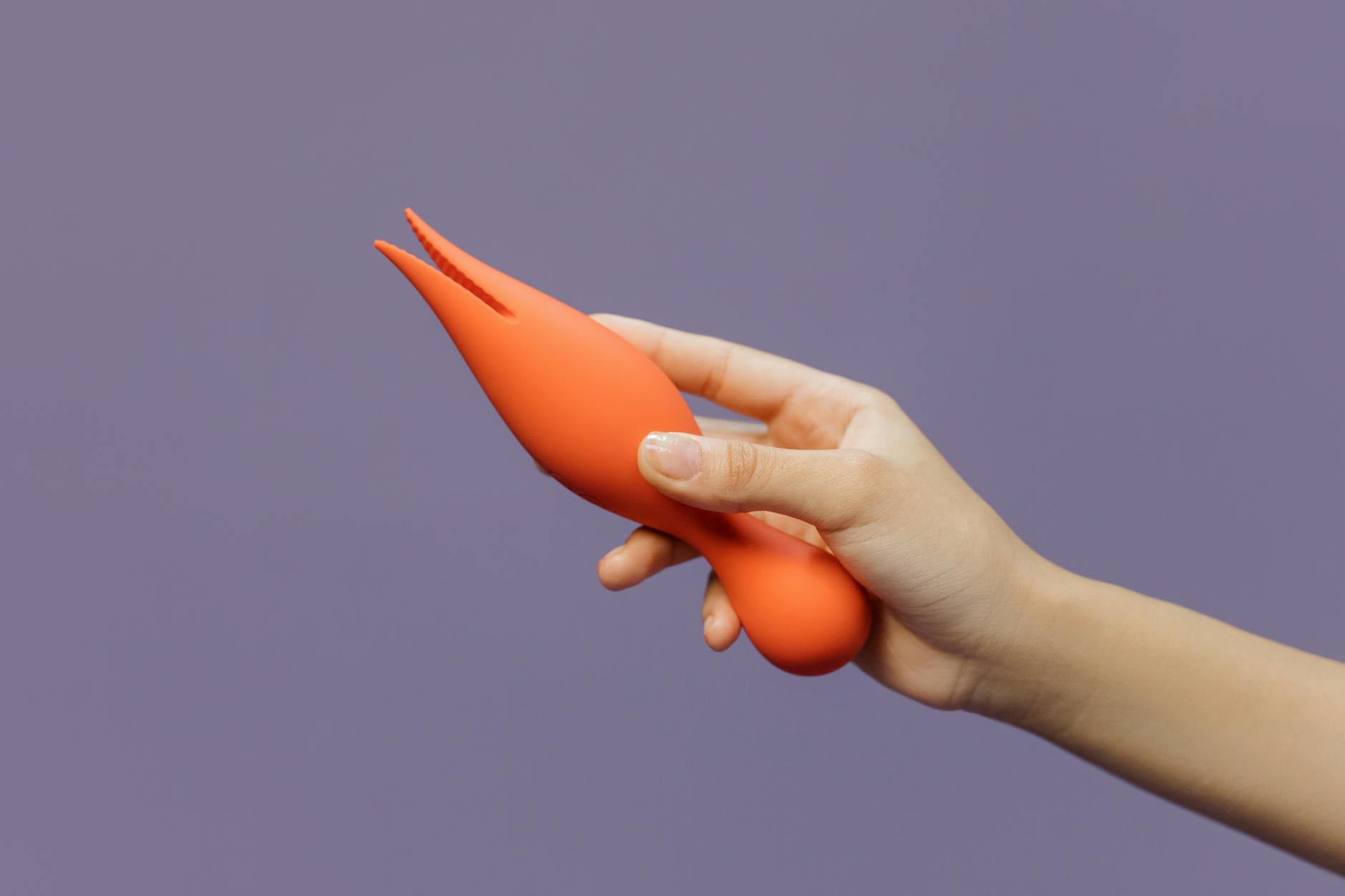
Lemon Vibrators for Couples: How to Use Them Together
Here's the thing about introducing a lemon vibrator into partnered sex: it's not about replacing your partner. It's about inviting them into something better.
I work with couples constantly who assume a vibrator is a critique of their performance, a secret signal that they're not enough. They're not. A clitoral vibrator is a tool that changes the biology of what's possible, and if you can talk about it without defensiveness, you unlock a completely different kind of intimacy.
The conversation that actually matters
Let's start before any toy shows up in the bedroom. The introduction to lemon vibrators for couples happens with words first.
Most couples skip this part. They buy the thing, hide it, and then one partner finds it and either feels weird or feels blamed. Neither leads anywhere good. Instead, try this frame: "I read that a lot of couples use vibrators during sex, and I'm curious to try it together. Would that interest you?"
That's it. No elaborate setup, no justification, no "I've been faking it." Just honest interest and an invitation.
If they say yes: great, you move to logistics. If they say not yet: respect that and circle back in a few months. Pressure kills curiosity. The best version of partnered pleasure happens when both people actually want to be there.
Once you're both on board, the next conversation is practical. "Do you want to use it on me, or should I use it myself while we're together?" This matters because it changes the dynamic entirely. It's not the same thing. A lemon vibrator in your partner's hand feels like collaborative pleasure. A vibrator you're using solo while they're inside you or beside you is something else again. Both are valid. Your job is to know which one you want.
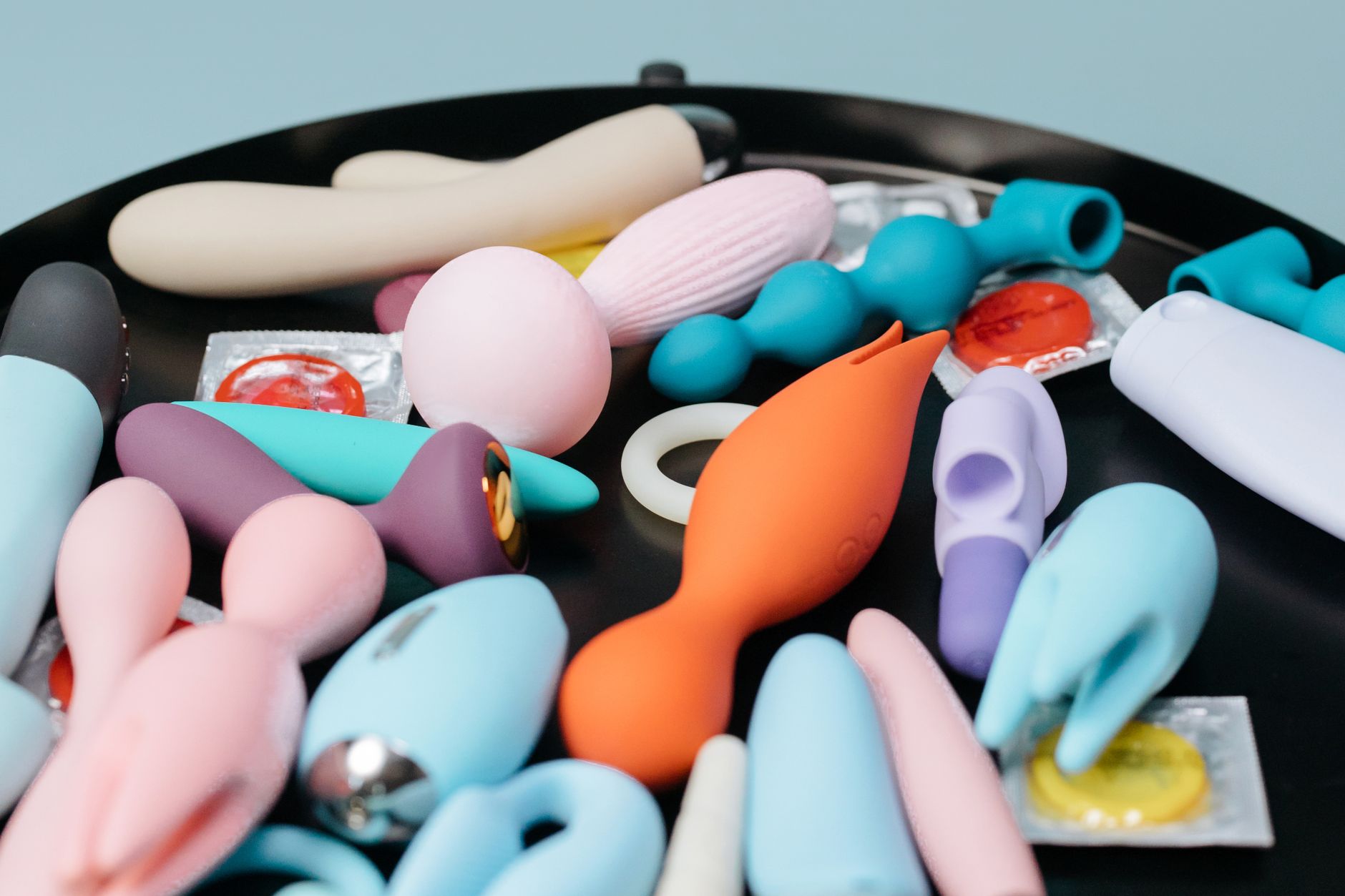
Photo by cottonbro studio on Pexels
Why lemon clitoral vibrators work especially well for couples
Clitoral vibrators, particularly suction-based lemon vibrators, have a specific advantage when you're not alone: they don't require the same hand positioning that traditional vibrators do.
With a standard vibrator, whoever's holding it needs to maintain an angle that works for penetration plus vibration simultaneously. It's mechanically awkward. A lemon vibrator uses suction stimulation, which means your partner can be inside you while also using the vibrator on your clitoris without wrestling with angles. The sensation is also more diffuse. It doesn't rub raw in the way friction-based toys sometimes do, which means longer sessions without discomfort.
I also notice that couples report feeling less "performance pressure" with a lemon vibrator. Because suction works on nerve endings rather than friction, the feedback is different. There's less of that "is this the right spot, is this the right speed" micro-negotiation. The body kind of tells you what's working.
Positioning for actual comfort
Stacking positions isn't just about anatomy. It's about who's in control and where everyone's hands actually go.
If your partner is using the vibrator on you, you want positions where they can reach your clitoris easily. That usually means you on your back (them between your legs or sitting to your side), or you on top (them behind or beside you). Spooning while they use it from behind also works, though the angle is trickier. The principle is simple: if your partner's hand is going to be busy with a lemon vibrator, you want a position where your clitoris is accessible and they're not also trying to hold their body weight or navigate penetration.
If you're using the vibrator yourself while they're involved, positions change. You can be on top, you can be side-by-side, you can be in any configuration where your hand is free. This actually opens up more options because your partner can focus on other kinds of contact. Kissing, touching your breasts, entering you, whatever serves the moment.
Start with what feels obvious. Adjust from there. There's no wrong way except uncomfortable, and uncomfortable is just feedback.
The first time (and why it's probably awkward)
Expect it to be a little weird.
You've been having sex with this person for months or years in a particular way. Introducing something new, even something designed specifically for clitoral pleasure, creates a moment of mild novelty discomfort. That's normal and it passes.
Some logistics: Have lube nearby. Charge the vibrator fully beforehand (dying mid-session is mood-killing). Use it outside the bedroom first if you're nervous. Solo exploration removes performance pressure and lets you figure out what you actually like. Then bring that knowledge into partnered sex.
Start with lower intensity. Suction vibrators like the lemon vibrator have a range, and you don't need maximum power. In fact, starting gentle and letting intensity build mirrors how arousal actually works. Your partner will also be less overwhelmed if you're not jumping straight to the strongest pattern.
Talk during, if you want to. "That feels good." "A little lighter." "Don't stop." This isn't awkward, it's information. Your partner can't read your body perfectly. They'll feel less lost and more connected if you're giving real-time feedback.
What changes and what doesn't
Using a lemon vibrator together doesn't erase your partner's role. This is what I hear as anxiety: "Will they feel irrelevant?"
They won't, because a vibrator and a partner are stimulating different things neurologically. A vibrator is exceptional at direct clitoral stimulation. A partner provides movement, depth, emotional presence, and sensations that no toy can replicate. You're not choosing between them. You're stacking pleasures.
What does change is the reliability of orgasm for the person with the clitoris. If your partner has always struggled to come during partnered sex, a lemon vibrator can remove that friction (literally and figuratively). This often deepens connection because there's less of that invisible strain of "am I taking too long, should I hurry up, why isn't this happening."
It also tends to make sex longer and more satisfying for the person providing stimulation, because they're not racing to produce an orgasm they can't quite engineer. Everyone relaxes.
Troubleshooting the emotional stuff
If your partner seems resistant or resentful after you introduce a vibrator, pause and have a real conversation. Not defensive, not accusatory. Genuinely curious.
"I noticed you seemed uncomfortable. What's going on?" Listen to the answer without immediately defending the toy or your choice. Common concerns: "I feel like I'm not enough." "This feels impersonal." "I don't know how to help." These are real feelings, and they're not solved by explaining why vibrators are great. They're solved by reassurance and time and actually having your partner feel included in the experience.
If you've been using a lemon vibrator solo and your partner hasn't been part of that conversation, surprise introduction almost always lands badly. The pathway here is honesty before the toy appears, not after.
Making it a team sport
The hottest version of partnered vibrator use isn't about the toy doing all the work. It's about your partner learning to use it in a way that feels coordinated with what they're already doing.
If they're inside you, having them pause rhythm while the vibrator's running can be intense. Having them move while the vibrator's on creates a different kind of stimulation. Learning to sync is a skill, which means you get to practice together. That's inherently intimate.
Let your partner experiment with patterns. Most lemon vibrators have multiple settings. Let them try them. Ask them what they notice about your response. This turns the vibrator into a shared exploration rather than a "I need this to get there" utility.
You can also take turns introducing pleasure to each other in new ways. If your partner enjoys receiving oral sex, a vibrator might enhance that (though check toy material before introducing it to different parts of your body). The point is that curiosity is contagious. One person using a toy can crack open the willingness for both people to be more experimental.
When vibrator use should prompt a different conversation
If you're using a lemon vibrator to avoid dealing with larger relationship stuff, that's worth knowing.
Great sex doesn't fix a partnership with poor communication. A vibrator that makes orgasm easier doesn't repair disconnection. It doesn't hurt to have that excellent orgasm, but if the deeper issue is that you're not feeling safe or heard or desired by your partner, a toy won't solve that.
Similarly, if one partner is using a vibrator constantly to avoid partnered sex entirely, that's pointing at something else that needs tending. Desire mismatch, resentment, anxiety, boredom with the person. Those need conversation and possibly professional help, not more toys.
The vibrator works best as an enhancement to something that's already good. Not a replacement for it, and not a band-aid for something broken.
FAQ: Lemon Vibrators for Couples
Can we use a lemon vibrator during every encounter?
Yes, if you both want to. Some couples use lemon vibrators regularly, some use them occasionally. There's no rule. Pay attention to whether the vibrator is enhancing your pleasure or becoming a crutch where you feel like you need it to enjoy yourself. If you notice dependence or if it's becoming the only way someone can come, that's worth checking in about.
What if my partner wants to use it but I'm not sure?
Go slow. You don't have to commit to using it regularly to try it once. You can also watch your partner use it on themselves first, with no expectation that you'll join. Comfort builds through exposure and choice, not pressure.
Is it weird if we both want to use vibrators during the same session?
Not at all. Couples absolutely do this. Two people, two vibrators, mutual pleasure. It's less about one person performing for another and more about sharing the experience of getting off together. Some people find this deeply connected.
Should we hide the vibrator or keep it visible?
Keep it visible if you can. Putting toys in a drawer usually means you forget about them. A vibrator that's accessible tends to get used, which means you'll actually figure out if you like it. If visibility bothers a partner, that's worth discussing as a separate thing.
What if we bought a vibrator together but now I want to use it solo sometimes?
That's normal. A toy can be a couples thing and a solo thing. Communicate about it, but there's nothing wrong with using something your partner chose as part of solo exploration too. Everyone owns their own pleasure.
How do we even bring this up without it being weird?
It's only weird if you treat it like it's weird. "I'm thinking about getting a lemon vibrator to use with you. Interested?" Straightforward, no apology. If your relationship is solid, your partner will either be curious or they won't, but they won't think you're insane.
The thing to remember
Introducing a lemon clitoral vibrator into partnered sex is really just another conversation about what you both want. It works best when both people feel invited, not surprised. When you prioritize honesty over protection. When you remember that better orgasms aren't a threat to your partner, they're a gift you both get to receive together.
Your pleasure matters. Their pleasure matters. A toy is just a tool that makes both easier. Use it that way, and you're usually fine.