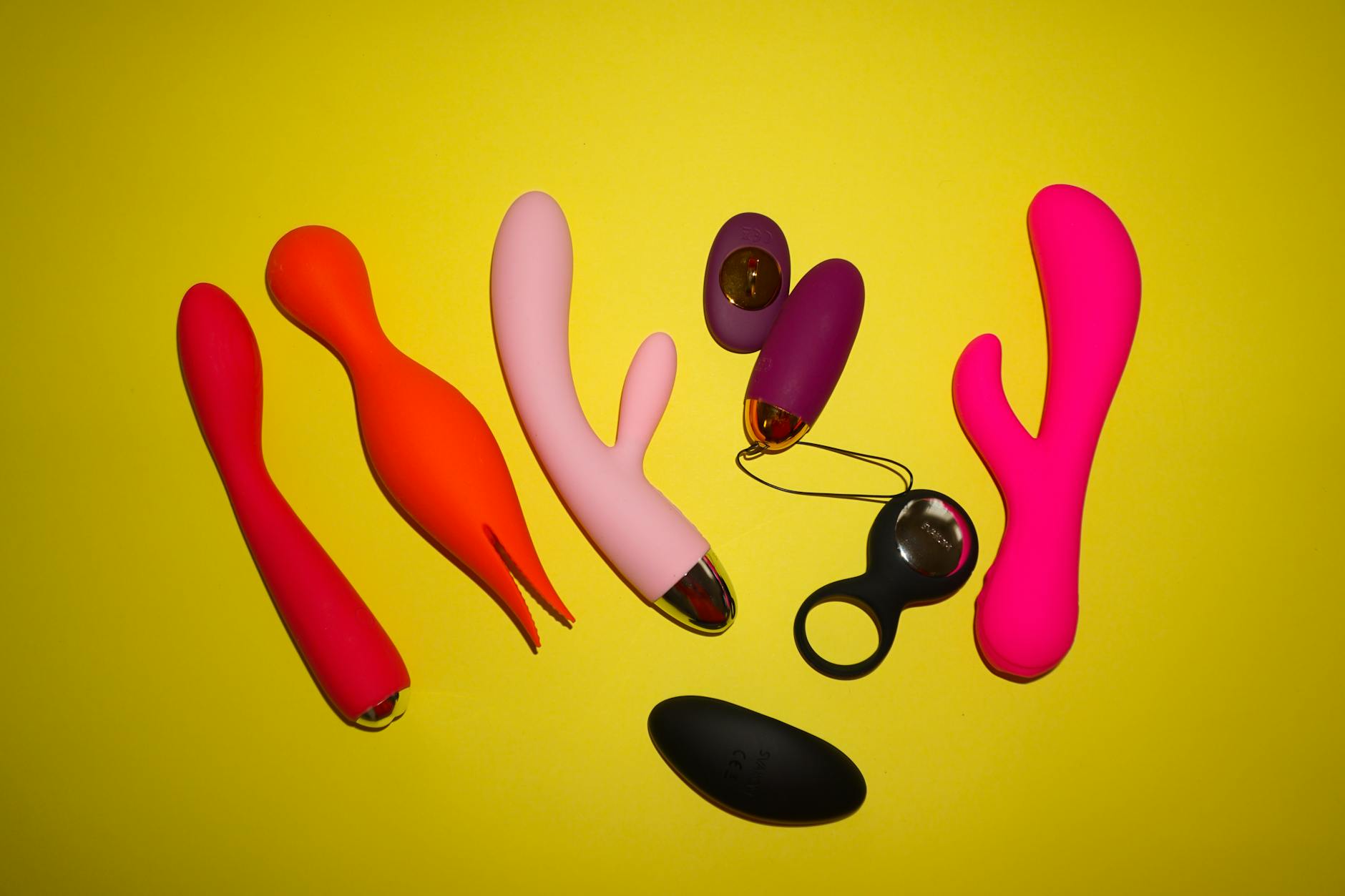
How to Use Lemon Vibrators With Hormonal Birth Control Changes
Here's the thing nobody mentions at the clinic: your birth control isn't just preventing pregnancy. It's also reshaping how your body experiences pleasure. That shift might feel subtle, or it might arrive like a plot twist in a movie you thought you understood.
The good news is that understanding what's actually happening makes the adjustment straightforward. And lemon vibrators, which work through gentle suction rather than raw vibration, happen to be brilliantly designed for bodies navigating hormonal flux.
What hormonal birth control actually does to sensation
When you go on hormonal contraception (the pill, patch, ring, implant, hormonal IUD), you're introducing synthetic hormones that suppress your natural cycle. Specifically, most methods suppress or heavily dampen estrogen and progesterone spikes. This affects pleasure in three concrete ways.
First: lubrication changes. Estrogen has a direct effect on cervical mucus and vaginal lubrication. Some people find their natural lubrication drops noticeably on hormonal birth control. This doesn't mean you're broken. It means your body is responding predictably to a hormonal change. Water-based lube becomes your reliable friend, which is fine because it works beautifully with silicone toys like the Lem.
Second: arousal response time shifts. For many people, hormonal birth control flattens the arousal curve. Instead of a dramatic spike in desire mid-cycle (when natural estrogen peaks), you get a steadier baseline. This can feel like lower desire overall, but it's more accurate to call it less peaked. The brain's capacity for pleasure stays intact. The trajectory just looks different.
Third: clitoral sensation becomes more stable but sometimes less reactive. This is the part that matters most for lemon vibrator users. Some people report that their clitoris feels less acutely sensitive on hormonal birth control, which might sound negative until you realize it means you can use intensity without discomfort. Others report no change at all. Individual variation is massive here.
Which birth control methods affect pleasure most
Not all hormonal birth control hits the same. Understanding which method you're using helps you know what to expect.
The combined pill (estrogen plus progestin). This is the classic birth control, and it creates the most predictable cycle because you're taking the same hormone dose daily. Most people adjust within two to three cycles. If lubrication is dropping, you'll notice it early. Desire changes often resolve as your body acclimates, usually by month three. Some people find that switching pill formulations (lower estrogen dose, different progestin type) changes sensation noticeably.
The patch and ring. These deliver hormones through steady skin absorption rather than the daily pill cycle, which some people find creates a more even baseline than the pill. Sensation changes tend to be similar to the pill but slightly more gradual.
The implant and hormonal IUD. These release hormones directly and consistently, which means no day-to-day variation. Some people find this steadiness makes pleasure more predictable. Others report that the continuous release of progestin (not estrogen) can suppress desire more than the pill does. This is individual and unpredictable.
The copper IUD. This one is non-hormonal, so it won't change your hormonal environment. If you switched from hormonal birth control to the copper IUD, you might actually notice desire or sensation returning to pre-birth control patterns. That's a real transition too.
How to adjust your lemon vibrator use during transitions
When you start, switch, or stop hormonal birth control, your pleasure landscape shifts. Here's how to navigate it with lemon clitoral vibrators.
During the first three months of starting new birth control. Your body is adjusting to new hormones. Sensation might feel muted, or you might notice that arousal takes longer to build. Resist the urge to jump straight to maximum intensity on your lem vibrator. Instead, spend 15 to 20 minutes on lower suction settings (patterns 1 through 3) to let your body rebuild its arousal pathway. Think of it as recalibrating rather than restarting. Most people find their baseline pleasure returns by month three, though the shape of it might be slightly different.
If lubrication drops noticeably. This is the most common change, and it's the easiest to manage. Water-based lubricant works perfectly with silicone lemon adult toys and actually improves the suction sensation because it creates a better seal against your skin. Apply lube generously before you start and reapply mid-session if needed. You're not compensating for a problem. You're optimizing for your current hormone profile.
If desire genuinely tanks. This happens to about 15 percent of people on hormonal birth control, and it's worth taking seriously. First, give it three months because hormones take time to settle. If desire is still flatlined after that, talk to your doctor about whether a different formulation might help (some have less suppressive effects on testosterone). Meanwhile, lemon vibrators can actually help here because they require less mental effort than partnered sex. Solo pleasure with a lem can be a low-pressure way to maintain connection to your body without the performance pressure that makes suppressed desire worse.
When you're switching methods. There's often a window of 7 to 14 days when you're between birth control methods. During this gap, your natural hormones are temporarily more present. Some people experience a notable return of pre-birth control sensation during this window. It's not permanent, but it's useful information. If the new method lands you in that flattened sensation zone again, at least you know there's a window where you can feel your baseline again.
The partner conversation that matters
If you're with a partner and your birth control is changing your arousal or sensation, the most important step is naming it directly. "I'm on a new birth control, and I've noticed my body is responding differently" is a complete conversation starter. Don't blur it into "I'm not as into sex anymore" because those are different problems with different solutions.
If your partner is worried that lower peaked desire means lower overall pleasure, that's worth addressing separately. Many people find that the steadier baseline that hormonal birth control creates is actually easier to work with during longer sessions. You're not chasing a peak. You're building sustained pleasure, which is where lemon clitoral vibrators genuinely shine. The suction mechanism works beautifully for extended play without the numbness that can come with buzzing vibration.
When to see a doctor about pleasure changes
Not every sensation shift requires medical intervention, but some do. If any of the following happens, bring it up with your prescriber.
If pain appears during sex that wasn't there before, that might signal that hormonal changes are affecting your vaginal tissue thickness or lubrication in a way that needs attention. Some people benefit from topical estrogen cream alongside their hormonal birth control to address localized tissue changes.
If desire completely disappears and doesn't improve by month three, it's worth discussing whether a different birth control might preserve more of your baseline desire. Not everyone experiences desire suppression equally. Sometimes a different formulation helps.
If you're experiencing mood changes alongside pleasure changes, that's also worth flagging. Birth control can affect mood and libido through multiple pathways. Your doctor can help you figure out whether a different method might work better for your whole self.
The real picture of hormonal birth control and pleasure
Hormonal birth control does change pleasure. It doesn't erase it. The shift might make certain sensations harder to access or change the speed at which arousal builds. It might also make pleasure more stable, more available during any time of the month, and less tied to the exhausting cycle of hormonal peaks and crashes.
What birth control almost never does is permanently damage your capacity for orgasm or destroy sexual satisfaction long-term. Bodies are adaptable. Pleasure is adaptable. And tools like lemon vibrators, which work with your tissue rather than against it, make the adjustment smoother.
The key is not assuming that change means damage. When you understand what's actually happening hormonally, you can adjust your approach, your tools, and your expectations accordingly. Most people find their new baseline within three to four months and discover it's just different, not worse.
People also ask
How long does it take for pleasure to adjust after starting hormonal birth control?
Most people notice the biggest changes in the first two to four weeks and see their body settle into a new baseline by month three. That said, hormones take time to stabilize, so full adjustment can stretch to six months. If something feels drastically off after three months, it's worth checking in with your prescriber rather than assuming it's permanent.
Can switching birth control methods mid-year bring arousal back?
Yes, sometimes. If a particular formulation is suppressing your desire or sensation, switching to a different progestin type or dose can make a real difference. This is why keeping track of your pleasure patterns during the first three months matters. You have useful data for your doctor about what's working and what's not.
Do lemon vibrators work differently on different birth control methods?
Not fundamentally. The mechanism stays the same. But because different methods create different hormone environments, your starting intensity setting might vary. On a method that leaves you with lower clitoral sensitivity, you might start at pattern 3 instead of pattern 1. That's an adjustment, not a problem.
Is decreased lubrication on birth control permanent?
No. It's a direct response to lower estrogen. If you switch to a non-hormonal method or stop birth control entirely, lubrication usually returns within one to two cycles. The lube you're using in the meantime isn't a workaround for something broken. It's a practical tool that makes sex more comfortable right now.
Should I tell my partner about birth control changes to my pleasure?
Absolutely. The conversation is straightforward: "My birth control is new, and my body is adjusting. My arousal might look different for a few weeks, and that doesn't mean anything about how I feel about you." Transparency prevents your partner from misinterpreting normal hormonal adjustment as relationship trouble.
Can I use a lemon clitoral vibrator safely while on birth control?
Completely safely. Birth control doesn't change how your body interacts with external toys. Water-based lube, appropriate intensity starts, and normal hygiene are all that's needed. In fact, some people find that the gentler approach of suction-based toys like the Lem works better during hormonal adjustment periods than buzzing vibrators do.
Keep pleasure in motion
Your birth control is managing one part of your health. Your pleasure is its own thing, and it deserves attention. When hormones shift, your tools and approach shift with them. Understanding what's actually happening takes the mystery and anxiety out of the change.
If you're navigating this right now and want to talk through what's normal or get support figuring out what works for your body, reach out to us. We're here for the practical questions.
Your pleasure matters, even when your hormones are in transition. Especially then.