The most common thing no one talks about
You can finish alone in five minutes. But with your partner? Twenty minutes, forty-five minutes, sometimes never. And then comes the guilt. The pressure. The feeling that something's wrong with your body, or worse, that you're not attracted enough, not relaxed enough, not into it enough.
Here's the thing: that gap isn't a character flaw. It's not even a dysfunction. It's the difference between what your nervous system needs to cross the finish line solo versus what it needs in a partnered context. Those two things are wildly different.
Why the gap exists
When you're alone, you have perfect knowledge. You know the exact pressure, rhythm, angle, and timing that work. You're in full control. Your brain isn't split between sensation and performance, between your pleasure and your partner's experience.
During partnered sex, your nervous system is doing three things simultaneously: receiving stimulation, processing your partner's needs, and managing your own self-consciousness. That's cognitive load. It's friction. And for many people, it makes orgasm significantly harder or impossible.
There's also a physiological piece. Many partners can't deliver the consistent, specific stimulation that clitoral orgasms require. It's not a reflection on effort. It's just biomechanics. A lemon clitoral vibrator gives you what partnered sex often can't: precision, consistency, and the exact frequency your body recognizes as the path to orgasm.

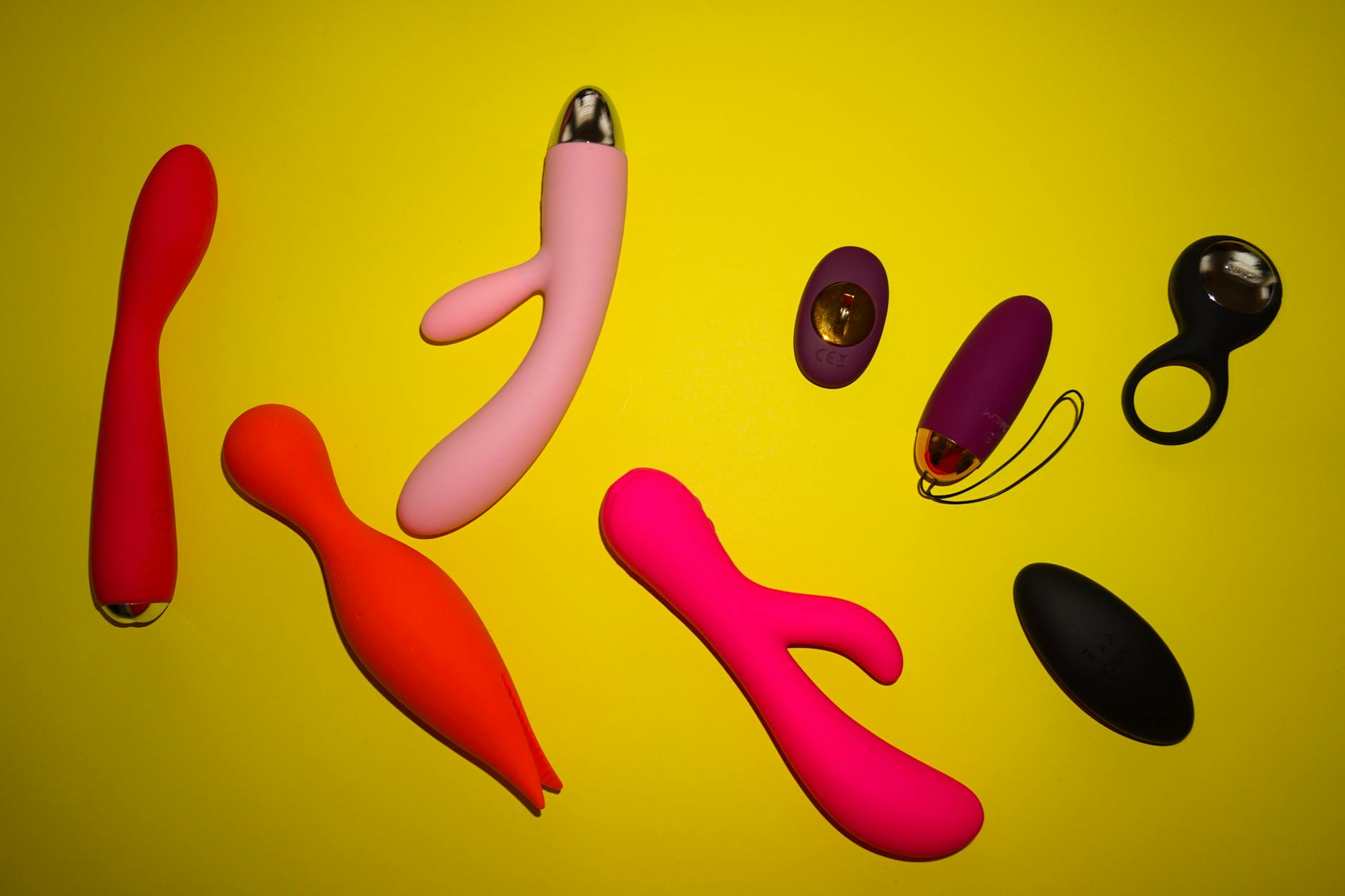
Photo by DRT.fm on Pexels
When lemon vibrators solve the problem
Lemon clitoral vibrators work by suction, not friction. That matters. The suction pattern stimulates a wider nerve network than direct vibration, which means your clitoris receives consistent, reliable sensation without the desensitization that can come with friction-based toys.
During partnered sex, a lemon vibrator becomes the missing piece. Your partner provides penetration, connection, rhythm, the things that feel good emotionally and physically. The lemon vibrator provides the specific clitoral stimulation that launches you toward orgasm.
For many couples, adding a lemon clitoral vibrator transforms partnered sex from frustrating to reliably pleasurable. You get the orgasm. Your partner gets to feel you finish. The pressure evaporates.
How to introduce it without it feeling awkward
This is where couples get stuck. You're worried it'll feel like a rejection of your partner, or that they'll interpret it as criticism of their performance.
Start with framing. Not "I need this because you're not enough" but "I want this so we can both experience me finishing." That's the truth. You're not fixing a problem with them. You're solving a logistics problem together.
Introduce it outside the bedroom first. Show your partner the lemon vibrator when you're clothed, relaxed, not about to have sex. Explain how it works. Let them hold it. Answer questions. Demystifying it removes the awkwardness.
Then use it solo a few times, so you're completely comfortable with the sensation and the settings. You don't want to be learning your toy while your partner is waiting.
When you're ready, bring it into partnered sex gradually. Try it during foreplay first, not during penetration. Let your partner see that you finish. Let them feel your pleasure spike. Most partners love this part because it removes the guessing game. They know exactly what works.
The three positions that work best
Position matters because you need hands free or at least one hand available for the lemon vibrator while your partner is inside you or you're receiving other stimulation.
You on top. This is the easiest starting point. You control depth, rhythm, and your access to the vibrator. Your partner can hold you, kiss you, watch you. There's no awkwardness about angles.
Spooning position. Your partner enters from behind. You're both relaxed, close. Your hands are free for the lemon vibrator. The position allows deep contact with less physical effort, which means more mental space for pleasure.
You lying back, partner kneeling. This is more vulnerable, but it works if your partner can reach to stimulate you manually while you use the lemon vibrator. Some couples find this feels more intimate because there's direct eye contact and full-body contact.
The timing that actually works
Don't wait until you're already mid-orgasm to introduce the vibrator. Start using it during foreplay, before your partner enters you. Build arousal with the lemon vibrator first. Get your body primed.
Then pause it right before your partner engages with you. You're now already partway there, your nervous system is already activated. When your partner enters or begins stimulation, restart the vibrator. You're not starting from zero. You're continuing the climb.
The actual orgasm often happens within the first few minutes of partnered sex plus vibrator, if you time it right. You're not chasing it for twenty minutes. You're completing something already in progress.
What actually changes in your relationship
Sex becomes less transactional. When you're not stressed about whether you'll finish, you can actually be present. You can enjoy the intimacy instead of monitoring your arousal level and worrying about time.
Your partner often experiences less pressure too, especially if they've been feeling responsible for your orgasm. The vibrator removes that burden. They can focus on their own pleasure and the shared experience instead of performing a role.
Many couples report that adding a lemon vibrator actually increased their emotional intimacy. Vulnerability plus shared pleasure equals closeness. There's no secret there.
When to add a lemon vibrator and when to hold off
If your partner feels threatened by the vibrator, that's worth addressing directly. Sometimes the fear is really about inadequacy. Sometimes it's about control. Have that conversation outside the bedroom.
If you've been having difficulty orgasming during partnered sex for years, it might be worth checking in with a healthcare provider to rule out hormonal, neurological, or medication-related factors. A lemon vibrator is useful, but it's not a diagnostic tool.
If communication is already strained in your relationship, introducing a vibrator might not solve the underlying issue. That's therapy territory, not toy territory.
But if you're in a generally healthy partnership and you just have a physiology mismatch, a lemon clitoral vibrator is one of the most practical, effective, relationship-friendly solutions available.
The FAQ that covers everything else
Will using a lemon vibrator make me dependent on it?
No. Your body doesn't build a tolerance to a specific sensation in the way that happens with numbing or desensitization from friction-based toys. You'll have easier access to orgasm with the vibrator, but you haven't lost the ability to finish without it. You're learning a new pathway, not forgetting the old one.
How do I know my partner is actually okay with it?
Watch their behavior more than their words. Are they curious, asking questions, wanting to explore settings? That's buy-in. Are they withdrawing, making jokes that feel defensive, or becoming less interested in sex? That's avoidance. If you see avoidance, don't introduce the vibrator into partnered sex yet. Have a conversation about what they're actually worried about.
Can I use a lemon vibrator with condoms?
Yes. The vibrator goes on your clitoris, not inside you, so it works perfectly with condom use. No interference.
What if I orgasm really quickly with the vibrator and my partner hasn't finished yet?
Then you finished. That's the win. You can continue partnered sex after orgasm if you want, or you can shift to focusing on your partner's pleasure. There's no rule that says you both have to finish simultaneously. That's actually a cultural myth that causes way more pressure than it solves.
How do I bring this up if we've never talked about sex toys before?
Start small and factual. "I've been reading about different ways couples can make partnered sex work better for both of us. Lemon clitoral vibrators come up a lot for people who have difficulty finishing during sex. I think it might help us. What do you think?" You're not confessing. You're proposing. Big difference.
What if they're interested but nervous about using it?
Let them use it on you. Many partners feel more confident once they've actually seen the effect and felt your pleasure response. Control plus evidence equals confidence.
The bottom line
Difficulty reaching orgasm during partnered sex isn't your failure. It's not a reflection of your attraction or your commitment. It's biology meeting circumstance. A lemon clitoral vibrator acknowledges that reality and solves for it. Your partner gets to be present and connected. You get to finish. Everyone wins.