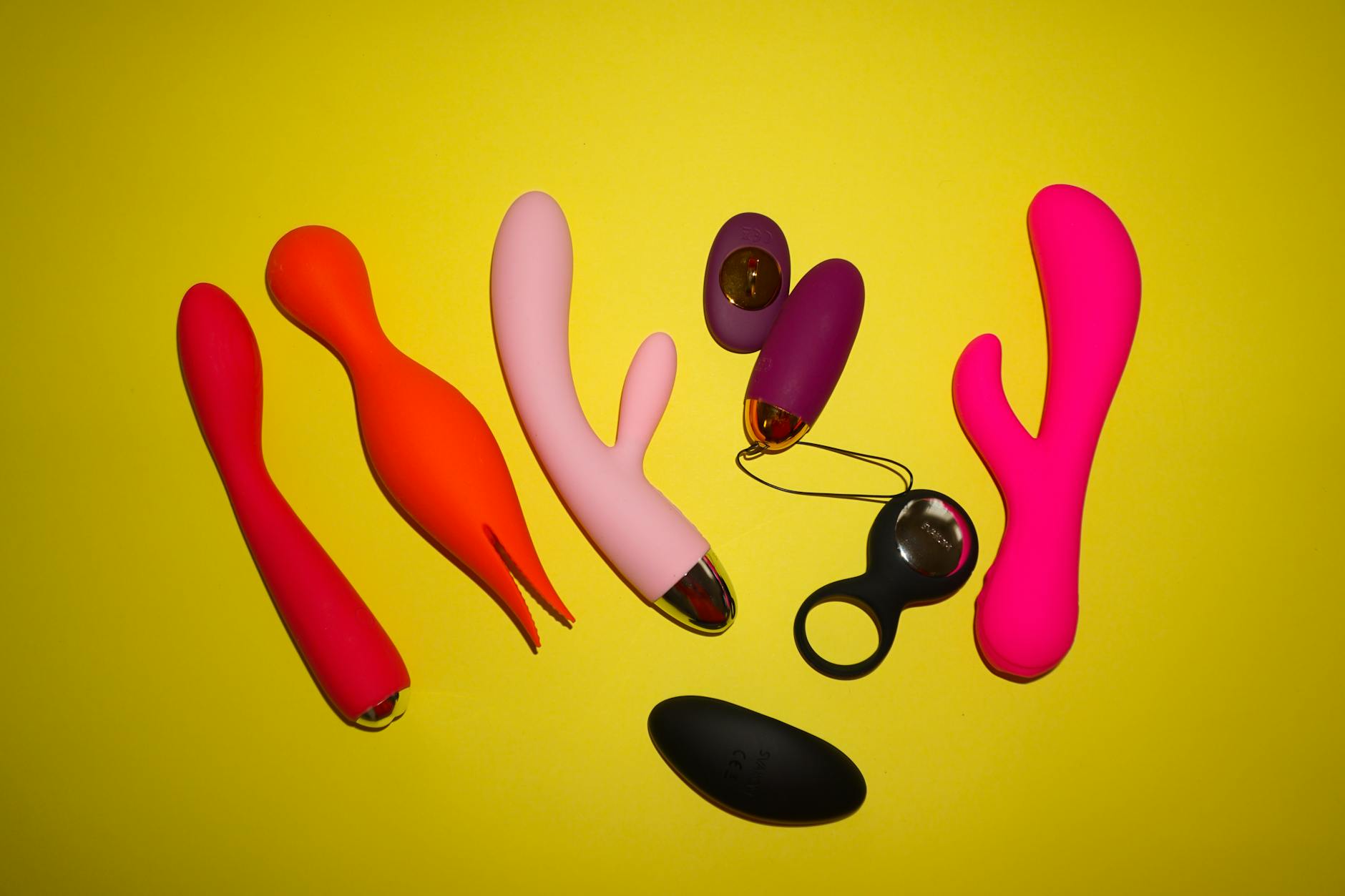
Let's talk about the learning curve
If you've spent years with traditional vibrators, lemon vibrators feel genuinely foreign at first. That's not a problem. It's actually the point. The sensation is completely different, the technique is different, and the kind of pleasure they unlock is often something you haven't experienced before. Most people need a real adjustment period, and that's totally normal.
Here's what you need to know before you start.
How air-suction lemon vibrators actually work
Traditional vibrators buzz. They shake back and forth really fast, creating friction and stimulation through movement. Lemon vibrators work on a completely different principle. They use gentle suction and pulsing air waves to stimulate the clitoris. Think of it less like "vibration" and more like "rhythmic suction" that creates a pulling, massaging sensation rather than a buzzing one.
This matters because your clitoris responds to suction differently than it responds to friction. Suction can feel deeper, more concentrated, and often more intense even at lower power levels. That's why people who switch from traditional vibrators to lemon vibrators often report orgasms that feel totally new, even after decades of experience.
The sensation is also more concentrated on the clitoral head itself, whereas many traditional vibrators create broader, more diffuse stimulation across a wider area.
The intensity adjustment most people miss
Here's the trap. Your first instinct with a new lemon vibrator is to start at a similar intensity level to what you used with your traditional vibrator. Don't. Start lower. Way lower.
Lemon vibrators, because of how suction works, feel more intense than traditional vibrators at the same numbered setting. Someone who's comfortable at level 5 on a buzz vibrator often finds level 2 or 3 on a lemon vibrator is already quite a lot. This isn't because you've lost sensitivity. It's because suction is a more direct, focused sensation.
Start at pattern 1. Spend time there. Move to pattern 2 only if you feel ready. You can always turn it up. You can't un-feel overstimulation, so give yourself permission to take this slowly.
The positioning shift that makes a difference
With traditional vibrators, most people angle the toy directly on the clitoris or hover slightly over it. With lemon vibrators, positioning is more precise. You want the opening of the suction cup to seal gently around the clitoral head. Not pressed hard. Just sealed lightly.
If you're not feeling much, you're probably not getting a good seal. Adjust angle slightly. Move a quarter inch in any direction. The right position often feels weirdly perfect once you find it, because the seal matters so much.
Also, because suction-based lemon vibrators create such focused stimulation, you don't need to move the toy around as much. Traditional vibrator users often move the toy in small circles or up and down. With a lemon vibrator, you can often stay in one spot and let the pulsing patterns do the work. This is actually a huge advantage if your clitoris feels fatigued by movement.
Why warm-up feels different now
Traditional vibrators often get straight to the point. You apply buzz, something happens fairly quickly. Lemon vibrators often reward more foreplay beforehand. Your tissues need to be engorged and responsive for suction to feel really good. This isn't a drawback. It's actually an opportunity.
Take 10 to 15 minutes to build arousal first. Touch yourself. Use your hands. Let your mind settle in. Then when you introduce the lemon vibrator, the sensation will be richer and more complex. People switching from traditional vibrators often skip this step because they're used to going straight from zero to sixty. Give yourself permission to slow down.
You may also notice that lemon vibrators feel better if you're already a little bit wet. Water-based lubricant helps the seal feel more comfortable and responsive. Don't skip this step, especially if you're new to the sensation.
The orgasm difference (it's often bigger than you expect)
Here's the thing that surprises most people. Orgasms from lemon vibrators often feel different in quality, not just intensity. Some people describe them as deeper, more centered in the body. Others say they're faster to reach but feel more concentrated. A lot of people report that their first orgasm from air-suction feels almost shocking because it's so different from what they're used to.
Don't judge this as "better" or "worse" right away. It's just different. Your nervous system is responding to a totally different input. After a few weeks, your body learns to expect this sensation and pleasure often deepens.
One important note: if traditional vibrators made you numb after long sessions, lemon vibrators might actually feel better in that respect because they don't create the same desensitizing friction. This is especially true if you've struggled with numbness over time.
Common mistakes when making the switch
People often expect lemon vibrators to feel exactly like traditional vibrators but "better." That sets you up for disappointment. They don't feel better or worse. They feel different. The orgasms are different. The technique is different. The whole experience is different.
Another big mistake is not using enough lubrication. Air-suction vibrators need a secure seal to work well, and lube helps that happen. Water-based is your friend here.
The third mistake is expecting instant mastery. If traditional vibrators took you a few sessions to figure out, lemon vibrators will too. Your body needs time to learn what this new sensation means. Give yourself at least 3 to 5 sessions before you decide whether it's working for you.
Why some people never go back
Once your body adjusts, lemon vibrators open up a whole new range of sensation. People who struggled to orgasm with traditional vibrators sometimes find orgasms much easier. People who got bored after years of the same buzz report feeling genuinely excited again. People with sensitive clitorises often find suction less irritating than friction.
This isn't universal. Some people love traditional vibrators and always will. But most people who take the time to adjust to lemon vibrators end up keeping both in rotation for different moods and situations. The Lem clitoral vibrator is specifically designed to make this transition easier because it starts at genuinely gentle intensities and builds from there.
Making the transition feel less awkward
If you're using a lemon vibrator with a partner, the learning curve feels less awkward if you name it upfront. "I'm trying a new toy and it works totally differently than what I used before. I'm going to need a bit to figure it out." That takes the pressure off performing and lets you actually explore.
If you're solo, just let yourself be a beginner. This is actually the most freeing part. You get to discover what your body likes without anyone else's expectations in the room. Spend time. Experiment with patterns. Notice what feels good.
Most importantly, remember that switching from traditional vibrators to lemon vibrators isn't about fixing something that was broken. It's about expanding what's possible. Your body already knows how to feel pleasure. This is just a new language for the same conversation.
Frequently asked questions
How long does it take to adjust to a lemon vibrator if I've always used traditional vibrators?
Most people notice a real shift within 3 to 5 sessions. Your nervous system needs time to recognize what the suction sensation means and how to respond to it. If you go in expecting instant familiarity, you'll feel frustrated. If you go in curious and patient, adjustment usually feels pretty natural. Some people take longer, and that's fine. There's no deadline here.
Can I use the same patterns on a lemon vibrator that I liked with traditional vibrators?
Not exactly. Traditional vibrator patterns are usually about varying the intensity or speed of buzz. Lemon vibrator patterns are about changing the rhythm and intensity of suction. You might love pattern 3 on your old vibrator but find that pattern 1 is what gets you going with a lemon vibrator. Treat the patterns like a new menu. Try them all and see what feels right for your body.
Why does my lemon vibrator feel less intense than my traditional vibrator even though I like it better?
This is actually super common and it's not about the vibrator being weaker. Suction can feel more intense in a different way than buzz does. It can feel deeper or more focused without being technically more powerful. Your nervous system is registering intensity differently. As long as you're getting what you need from it, intensity numbers don't matter at all.
Do I need to use more lube with a lemon vibrator than I did with traditional vibrators?
Yes, usually. Air-suction vibrators depend on a good seal, and lube helps that seal work better. It also prevents any discomfort from suction. You don't need to go overboard, but water-based lube is definitely your friend. This is one area where more is genuinely better than less.
What if I hate the feeling of suction and want to go back to my traditional vibrator?
Then go back. Seriously. You don't have to like every kind of vibrator. Some people's bodies just prefer buzz to suction. That doesn't make lemon vibrators bad or you difficult. It just means you now know something about what works for you. Plenty of people keep both kinds of toys in rotation. You're allowed to have a preference.
Can I use a lemon vibrator if I'm sensitive to traditional vibrators?
Often yes. Because suction works so differently than friction, people who get irritated by traditional vibrators sometimes find lemon vibrators much more comfortable. That said, sensitivity is individual. If you're sensitive, start at the absolute lowest pattern and pay attention to how your body feels. Stop if anything hurts. Pleasure should never come with pain.
The real adjustment isn't about the toy
Making the switch from traditional vibrators to lemon vibrators isn't mostly about learning a new technique. It's about giving yourself permission to be a beginner again with something sexual. That can feel vulnerable, even awkward at first. But it's also kind of beautiful. You get to rediscover pleasure from a fresh angle. Your body gets to learn something new. That's actually pretty rare in life, and it's worth taking seriously.
If you're curious about trying a lemon clitoral vibrator for the first time, start low, move slow, and give your nervous system space to adjust. The pleasure you find on the other side of that learning curve is often worth the small awkwardness of getting there.
Have questions about your own transition? Get in touch with us anytime.