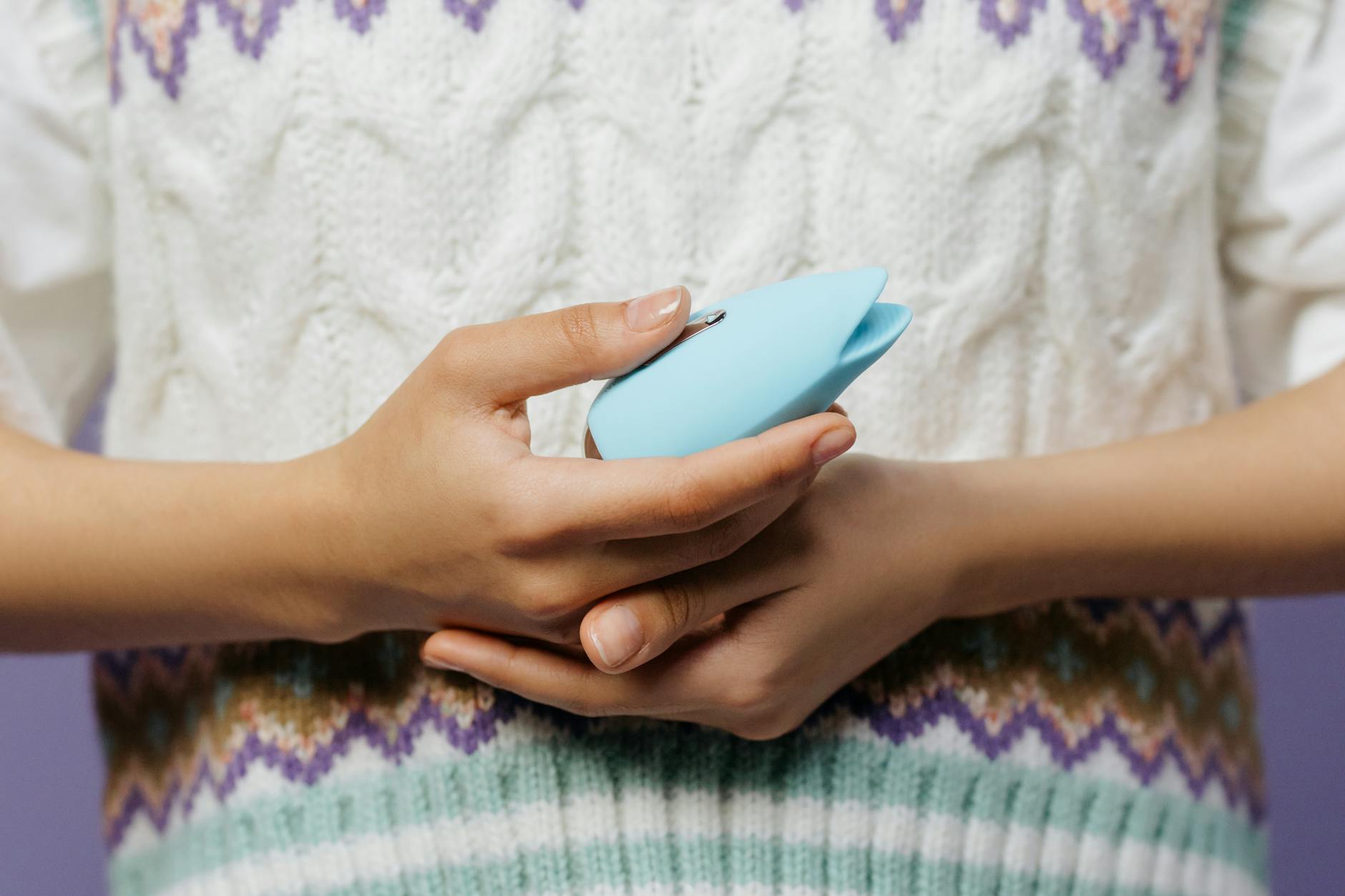
How to Use Lemon Vibrators When Estrogen Levels Drop During Perimenopause
Let's be real: perimenopause is when your body starts whispering that big changes are coming, and often the first thing that shifts is sensation during arousal. Estrogen doesn't just disappear overnight, but as it begins to decline, the tissue inside and around the clitoris becomes thinner. That's not broken. That's biology. And it's absolutely workable with the right approach.
Most people assume dropping estrogen means the end of pleasure. I've worked with hundreds of people navigating this transition, and what I've learned is this: perimenopause doesn't diminish your capacity for sensation. It changes which types of stimulation work best. Lemon vibrators, particularly the Lem with its suction-based design, often become even more effective during this phase because they don't rely on direct friction the way traditional vibrators do.
What actually happens to tissue when estrogen starts declining
Estrogen maintains the thickness and elasticity of vaginal and vulval tissue. When levels drop during perimenopause, that tissue becomes more delicate. It's less plump, less lubricated on its own, and it can feel more sensitive to direct pressure. Your clitoris doesn't shrink or lose nerve endings. The tissue around it shifts, which changes how stimulation feels.
Here's what matters: the clitoral nerves are still there. Thousands of them. The network that creates sensation and orgasm hasn't gone anywhere. What's changed is the medium through which stimulation travels. Think of it like the difference between pressing on a firm peach versus a softer one. The pressure is the same, but the response is different.
Many people report that as estrogen declines, they become more sensitive to light, rhythmic stimulation and less responsive to constant, intense pressure. This is exactly where lemon vibrators shine. The suction mechanism of a lemon clitoral vibrator creates gentle waves of stimulation rather than direct vibration, which tends to feel softer and more nuanced on thinner tissue.
Why suction-based stimulation shifts everything in perimenopause
Lemon sexual toys work through air-pulse technology, not traditional vibration. That distinction matters enormously during perimenopause. Instead of rattling against delicate tissue, a lemon sucker creates a gentle vacuum sensation that stimulates the entire clitoral complex without requiring direct friction.
When you're in perimenopause, your clitoral tissue is more responsive to indirect stimulation. The suction pulls blood flow to the area and creates a sensation that feels less like pressure and more like rhythm. Many people find this more pleasurable than it ever felt with traditional vibrators, even before hormonal changes began.
The added benefit: you can control how intense the suction is. Most lemon vibrators have multiple intensity settings. You're not locked into a single speed. During perimenopause, the ability to start at a lower intensity and gradually increase matters. Your body often needs time to build arousal in ways it didn't before.
Adjust your warm-up timeline first
One of the earliest changes in perimenopause is that arousal takes longer to build. Your brain is still interested. Your desire is still there. But the physiological response lags behind. Where you might have gotten aroused in five minutes before, you might now need ten or fifteen.
This isn't a problem. It's just a timeline shift. Budget the time. Light touch your body first. Take longer to explore before you pick up the lemon clitoral vibrator. Many people find that this extended warm-up actually deepens pleasure overall, because you're engaging more of your nervous system before introducing vibration.
When you do reach for your lemon vibrator, start on a lower pattern or intensity setting than you used before. This gives your thinning tissue a chance to adjust and blood to flow to the area without overwhelming your nerves. You can always turn it up. You can't un-overwhelm your clitoris mid-session.
Lubrication stops being optional
During perimenopause, self-lubrication often decreases noticeably. This isn't about arousal level. Your body simply produces less of its own fluid. For lemon clitoral vibrators, this matters because the suction mechanism works better and feels more pleasurable when there's a seal between the toy and your body.
Use a generous amount of water-based lubricant. Not just a dab. Enough that it feels slick and smooth. Silicone-based lubes are richer and last longer, but they can damage silicone toys, so stick with water-based. Reapply as needed during a session. Lubrication changes the entire experience with a lemon sucker, making the sensation smoother and allowing the device to function more effectively.
Some people also find that lubrication helps their body relax into arousal, especially if they've noticed increased tension in their pelvic floor during perimenopause. The physical act of applying lube is also part of foreplay, so don't skip that mindfulness piece.
Your pelvic floor needs different attention now
Estrogen supports pelvic floor strength and flexibility. As it declines, many people notice their pelvic floor becomes tighter or more tense, even if they've never had pelvic floor issues before. A tight pelvic floor doesn't prevent orgasm, but it can change how orgasms feel and make arousal feel harder to access.
Before using a lemon vibrator, spend a few minutes consciously relaxing your pelvic floor. A simple practice: breathe in for four counts, then exhale slowly while consciously releasing any tension in the muscles around your vaginal entrance and sitting bones. Repeat this five or six times. This isn't something you have to do every time, but it's especially helpful during perimenopause when those muscles naturally tighten.
This relaxation creates a better foundation for using your lemon sexual toy. You're not fighting tension while also trying to experience pleasure. You're starting from a place of ease.
Intensity patterns often feel different now
Many lemon vibrators come with multiple intensity patterns. During perimenopause, you might find that what used to feel amazing (say, pattern 7 on an older device) now feels too strong or even slightly uncomfortable. This is normal. Your tissue sensitivity is genuinely different.
Explore the lower and mid-range patterns with fresh curiosity. Patterns that create rhythm without constant pressure often feel more pleasurable now. You might discover that a pattern you previously overlooked is suddenly your favorite. This isn't a loss. It's permission to explore your lemon clitoral vibrator differently than you did before.
Some people also find that mixing patterns during a session works better. Start with a gentler pattern to build arousal, then shift to something more intense as sensation builds. You're creating a narrative with your toy rather than a single sustained experience.
Hormonal changes aren't just about tissue
It's easy to think all perimenopause shifts are tissue-based. They're not. Your brain is also changing. Estrogen influences dopamine and serotonin, which affect desire and pleasure perception. Some people experience a dip in overall desire during this phase. Others find their desire actually increases because the anxiety or stress that was suppressing it has lifted.
If your desire has genuinely decreased, don't assume it's permanent or a sign something's wrong. Perimenopause often brings stress, sleep disruption, and mood shifts that tank libido independently of hormones. Creating space for pleasure with a lemon sucker can sometimes help restore desire. The act of prioritizing sensation, using a toy you enjoy, and giving yourself permission to feel good is genuinely therapeutic.
If desire remains low despite good sleep and lower stress, it's worth talking to a doctor or therapist. Low estrogen can sometimes suppress desire, and there are treatments. But don't skip that conversation by assuming it's just how things are now.
When to know a lubricant or cream might help more
Sometimes the tissue changes during perimenopause go beyond what lubrication and adjusted technique can address. If you're experiencing pain, burning, or itching during or after using a lemon vibrator, genitourinary syndrome of menopause (GSM) might be at play. This is highly treatable with topical estrogen creams or vaginal moisturizers.
A good GP or gynaecologist can assess this in minutes and suggest options. Some are prescription-only. Others are available over the counter. Many people find that adding a topical estrogen cream alongside using their lemon clitoral vibrator transforms the experience completely. There's no shame in this. You're supporting your tissue through a biological transition.
Similarly, if you're experiencing vaginal dryness even with regular lubrication, a daily vaginal moisturizer (separate from lube) can help maintain tissue health between sessions.
You might actually experience more intense orgasms
Here's what most articles don't tell you: many people have their strongest, most intense orgasms during perimenopause and beyond. Not weaker ones. The tissue changes you're navigating sometimes create more concentrated sensation. Your orgasm might feel different. It might arrive differently. But it can absolutely be deeper and more satisfying than it was before.
I've worked with many people who, after adjusting their approach to pleasure during perimenopause, report that orgasms feel fuller and more whole-body. This might be partly because you're paying more attention. It might be partly because the physiological changes are creating a different kind of stimulation pathway. Either way, it's worth experiencing without the assumption that perimenopause equals less pleasure.
Your lemon vibrator is a tool for discovering this, not for chasing what used to work. Use it with curiosity rather than comparison.
Frequently Asked Questions
How do I know if I'm in perimenopause or just having a normal hormonal fluctuation?
Perimenopause typically begins in your 40s and involves changes in your menstrual cycle over years, plus shifts in energy, sleep, mood, or sensation. If your cycle length is changing, you're skipping months, or experiencing hot flashes alongside pleasure changes, perimenopause is likely in play. A simple blood test measuring FSH and estrogen can give you clarity. If you're unsure, ask your GP about testing.
Can I keep using my lemon clitoral vibrator at the same intensity I did before perimenopause?
You can try, but most people find lower intensities feel better once tissue starts thinning. This isn't a rule. Some people continue at their previous intensity without issue. The point is to pay attention to what feels good now, not what felt good five years ago. If a lower intensity is more pleasurable, that's the right choice for your body right now.
Does using a lemon vibrator during perimenopause affect my estrogen levels?
No. Using a sex toy has no impact on your hormone levels. What changes is your tissue's response to stimulation. The toy itself doesn't create hormonal shifts. If anything, regular pleasure and orgasm support stress resilience and sleep quality, which indirectly help hormone regulation.
How often should I use my lemon sucker during perimenopause?
As often as you enjoy it. Pleasure is healthy at any stage of life. Some people use their lemon vibrator a few times a week. Others use it daily. There's no "right" frequency. Listen to your body. If you notice any pain or irritation, scale back and consider whether additional lubrication or a topical estrogen cream might help.
Will my sensation come back if estrogen gets lower or stays low?
Tissue changes during perimenopause often stabilize once you're fully post-menopausal. If estrogen remains low, sensation doesn't disappear, but the tissue characteristics you're navigating now will persist. Many people find that with adjusted technique and the right tools, pleasure becomes equally accessible, just experienced differently. Hormone therapy is an option for some people, but it's not required for good sexual sensation or satisfaction.
Is it normal for orgasms to feel less intense when I first start perimenopause?
Yes, many people report this initially. Orgasms often feel different during hormonal transitions. They might be smaller, take longer to build, or feel more concentrated in one area rather than full-body. This often shifts again as you adjust your approach. Using a lemon clitoral vibrator with adjusted technique often helps restore fullness to orgasm experience within weeks.
Moving forward with curiosity
Perimenopause is not the beginning of the end of pleasure. It's an invitation to explore sensation in a new way. Your body is changing. Your lemon vibrator is still a powerful tool. The secret is meeting your body where it is now, not where it was five years ago.
If you're navigating these shifts and want personalized guidance on how to adapt your pleasure practices, we're here to help. Get in touch and let's talk about what would serve you best.