Let's talk about the thing nobody says out loud
Couples get stuck on pleasure conversations. One person wants to introduce a vibrator. The other feels weird about it, or threatened, or just doesn't know what to say. So nothing happens. Months pass. The conversation stays frozen, and so does the intimacy.
Here's what I've learned as a relationship coach working with hundreds of couples: sometimes the best way through a stuck conversation is to create a new shared experience instead of trying to force more words. A lemon clitoral vibrator isn't just a tool for pleasure. It's a permission slip. It's a conversation restart button.
Why vibrators unlock conversations that words can't
Most couples don't fail at communication because they're bad talkers. They fail because shame, worry, and defensive patterns have made the topic feel too risky. You bring up vibrators. Your partner hears criticism ("You're not enough for me"). You both freeze. The conversation ends.
What changes when you actually use a vibrator together? Everything becomes less theoretical. It stops being "Do you want to try a toy?" and becomes "Let me show you what this feels like." The shame shrinks when there's something concrete happening instead of just an abstract proposal.
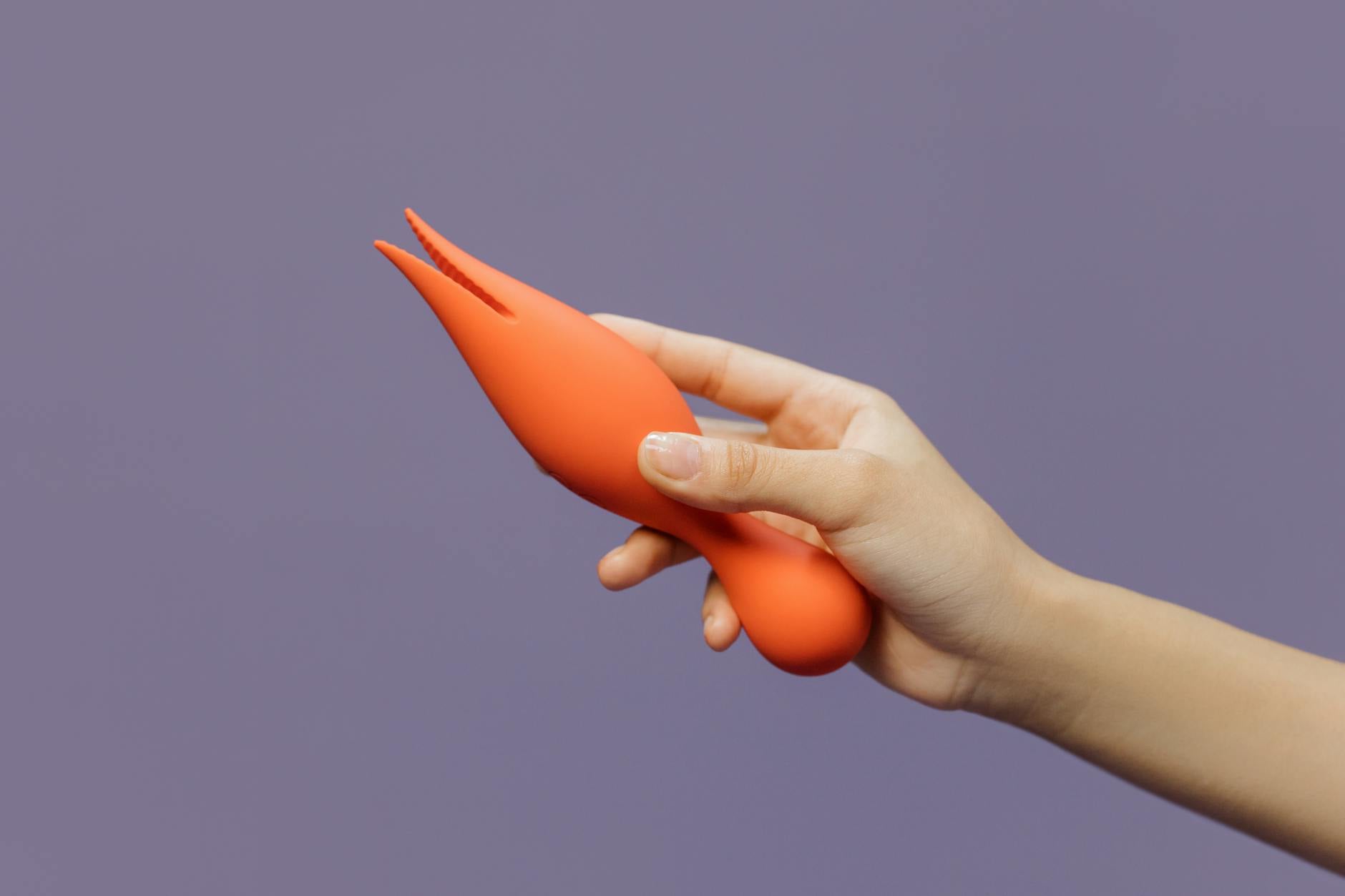
A lemon vibrator specifically works because it doesn't read as intimidating. The design is playful, the size is manageable, and the stimulation is precise enough that both partners can feel exactly what's happening. There's nothing to hide behind, and nothing to be afraid of.
How to introduce it without triggering defensiveness
Timing and framing are everything. Here's what actually works.
Start outside the bedroom. Bring it up during a regular conversation. "I've been reading about how these vibrators work, and I'm curious about trying one together. Not instead of you. Alongside." The distinction matters. You're not replacing them. You're expanding.
Show, don't sell. Let them see it. Let them hold it. The Lem from Hallo Nancy's Lems is small enough to fit in a palm, and beautiful enough that it doesn't immediately read as "sex toy." Familiarity kills anxiety faster than reassurance ever does.
Make it about discovery, not performance. Frame it as "I want to show you something new about what I like" rather than "This will fix what we're missing." The second one puts pressure on both of you. The first one is just exploration.
The actual mechanics of using one together
Once your partner is on board, here's how to make the first experience work.
Start with them watching. You use it on yourself while they're present and engaged. This does three things at once: it removes the pressure of them having to perform, it gives them permission to enjoy the experience without needing to do anything specific, and it teaches them what the sensation actually is. They're learning your body and your pleasure at the same time.
After a few minutes, ask if they want to try holding it. The shift from you controlling it to them controlling it is huge. It's not passive anymore. It's collaborative.
If you want to go further, ask them to use it on you while you're together sexually. This is often where couples realize that vibrators aren't a replacement for partnered sex. They're an amplifier. The intimacy gets deeper because everyone involved is more present and more turned on.
One specific thing that helps: talk during it. Not a lot. Just small things. "That feels good." "Try a different pattern." "Slower." This keeps the communication flowing and reminds both of you that you're still connected even though a tool is in the mix.
What gets in the way (and how to move through it)
Most partners get anxious about one of three things.
"Am I not enough?" This is the big one. Reassure them directly: "I love having sex with you. This isn't about that changing. It's about discovering more together." And mean it. Don't use the vibrator as a bandage for other relationship problems. Use it as an addition to something that's already working.
"What if I can't keep up?" People worry that once they introduce a vibrator, their partner will prefer it to them. In my experience, the opposite happens. Couples who successfully integrate a vibrator report feeling more connected, not less. The key is making sure the vibrator is always used within the context of your connection, not instead of it.
"I'm not sure how to even hold it or use it." This is easy to solve. Spend five minutes showing them how the buttons work. Let them feel the different patterns on their own finger first. Demystifying the mechanics kills half the anxiety.
The conversation after the first time
This is where most couples fail, and it's totally preventable.
After you've used the vibrator together, actually talk about it. Not a big analysis. Just real feedback. "That was fun." Or "I liked it when you..." Or "I'm still processing it, and that's okay." Don't leave your partner guessing whether they did it right or whether you enjoyed it.
If it didn't go perfectly, that's completely normal. First times are awkward. You were both probably anxious. That's fine. The point isn't the first experience being flawless. The point is that you actually did it, you're both still okay, and the conversation is no longer stuck.
When deeper blocks show up
Sometimes introducing a vibrator surfaces bigger relationship stuff. One partner feels disconnected from sex entirely. The other feels resentful about how often intimacy happens. A vibrator isn't a fix for those problems. It's a signal that couples therapy might be the more useful tool.
There's no shame in that. Some couples need help with communication first, and then can easily integrate new pleasure tools. Others need to rebuild trust or work through past hurts. A lemon clitoral vibrator is great at what it does, but it's not a substitute for actual relationship work when that's what's needed.
The quiet win of moving forward
Let's be real: the biggest benefit of using a vibrator together isn't the orgasm. It's that you actually did the thing you've been anxious about, and you're both still here. The conversation stopped being theoretical and became something you survived together. That's the real restart.
After that? Everything else gets easier. You've proven to each other that you can talk about pleasure, try something new, and stay connected through the awkwardness. That's the foundation that actually matters.
Frequently asked questions
Can vibrators be used during partnered sex, or should they only be solo?
Absolutely use them during partnered sex. A lemon vibrator can be incorporated into almost any position, and many partners find it intensifies everything. The key is making it feel collaborative, not like something one person is doing while the other waits. Talk about what feels good and adjust together.
What if my partner is worried the vibrator will make me too dependent on it?
This is a common fear, but it's not how pleasure works. You won't suddenly find partnered sex boring because you've also experienced vibrator-assisted orgasms. In fact, couples who use vibrators together typically report better overall satisfaction and more frequent partnered sex. Frame it as expanding your repertoire, not replacing anything.
How do I bring this up if we've never talked about toys at all?
Start small. Don't ambush them with the vibrator or a big conversation. Try something like "I read something interesting about how vibrators work with partners" and leave the door open for them to ask questions. If they seem open, you can gradually move toward showing them. If they're not ready, respect that timing and circle back later.
Is there a best time to introduce a vibrator into our sex life?
Introduce it when you're both relatively relaxed and not stressed about other things. Not during a conflict or a time when one of you is dealing with work stress or family drama. And not when you're expecting it to fix a bigger relationship problem. Use it when things are already reasonably good and you just want to explore together.
What if using the vibrator together feels awkward or uncomfortable?
That's completely normal for the first time. Awkwardness doesn't mean it's wrong. Give it two or three attempts before you decide it's not for you. Most couples find that the second time feels way easier than the first. If it's still uncomfortable after a few tries, that's real feedback too. Respect that, and move on to other things.
How do I know if we're actually improving communication, or just putting a vibrator over the real problem?
Good question. Real communication improvement means you can talk about what you want and what feels good without shame creeping in. If you can say "I like this pattern" or "I want to try it this way" without defensiveness, that's real progress. If you're still walking on eggshells about pleasure but now with a vibrator involved, that's a sign the deeper work still needs to happen.
You've got this
Introducing a vibrator when communication is stuck feels risky. It is, a little. But the risk of staying stuck is bigger. Sometimes the bravest thing a couple can do is stop talking about change and actually try something new together. The conversation can restart from there.
Resources
For more on rebuilding intimacy when partnership dynamics shift, read how lemon vibrators help rebuild intimacy when partners have different sex drives and how lemon vibrators improve pleasure when communication breaks down. If vulnerability is the sticking point, this guide on how lemon vibrators help when you want partnered pleasure but feel anxious about vulnerability may help frame the conversation differently.
Questions about technique or how vibrators work with different bodies? Start with how to use lemon vibrators for deep clitoral pleasure when you're nervous about intensity or reach out at /contact and we'll point you toward what you need.