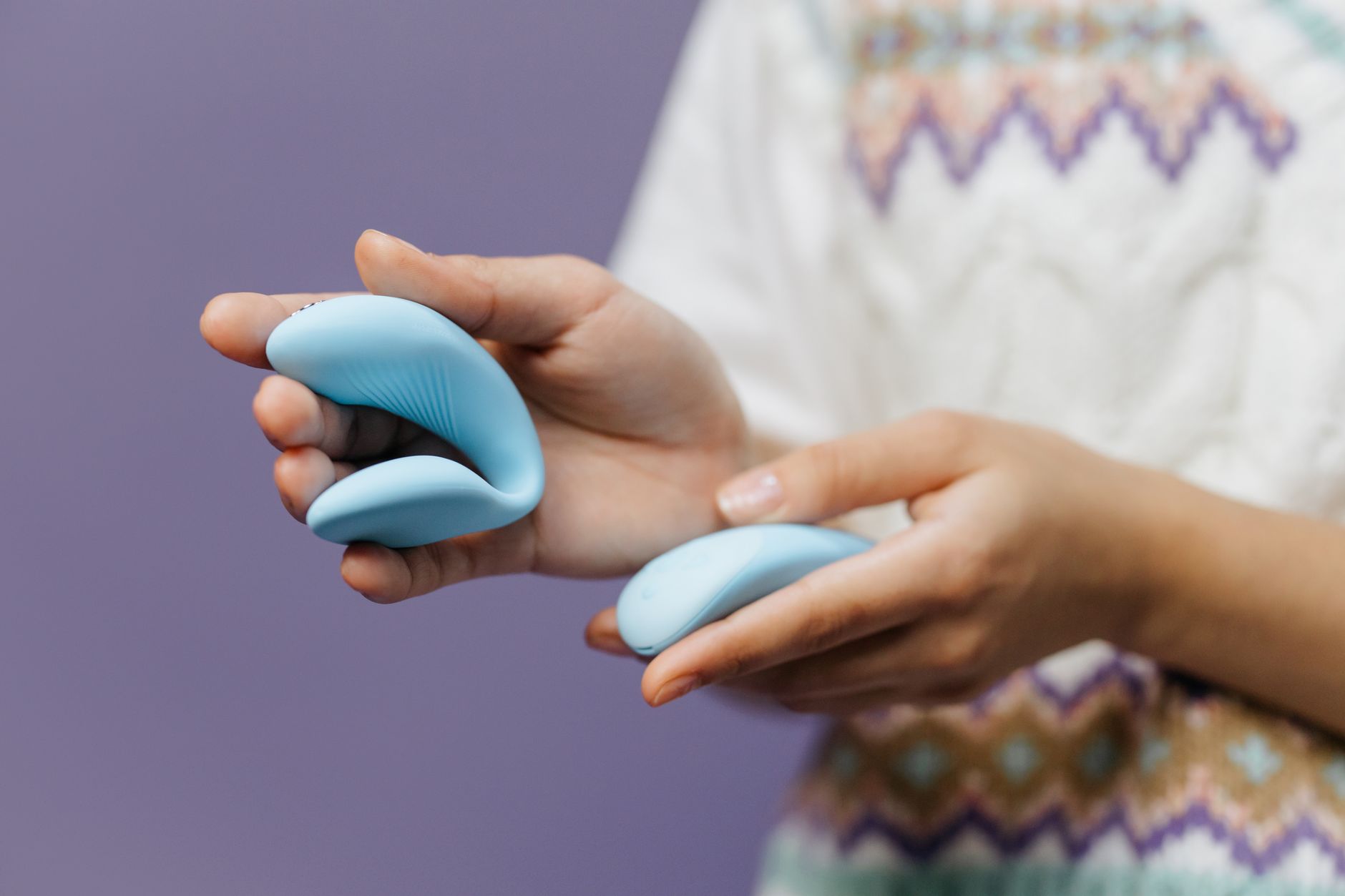
Let's talk about what happens to your body after a sexual pause
Six months. A year. Three years. The length doesn't matter as much as what happens next. You're ready to return to sex, but your body isn't sending the usual signals. Arousal feels distant. Touch that used to work feels uncertain. And suddenly you're wondering if something is actually broken, or if this is just part of starting again.
Here's the good news: nothing is broken. But your nervous system needs a reset, and that reset looks different than you probably expect.
Why arousal stalls after time away from sex
When you're not sexually active for an extended period, your body literally downregulates its arousal response. It's not a punishment. It's your nervous system being efficient. Blood flow patterns change. Tissue sensitivity shifts. The neural pathways that light up during arousal become quieter. Think of it like a muscle that hasn't been used—not damaged, just less responsive.
Most importantly, your brain gets involved in the waiting game. Anticipatory anxiety creeps in. You wonder if you'll feel the same. You question whether pleasure is still available to you. That mental friction is often louder than any physical change.
One study on sexual inactivity showed that people returning after long breaks reported 40% longer time to reach arousal compared to when they were sexually active. But the research also showed something crucial: all of them eventually returned to baseline. The body remembers. It just needs the right signal to wake up.
Why lemon clitoral vibrators are different for restarting arousal
When you've been away from sex, jumping straight back to a traditional vibrator can feel overwhelming. Those toys often rely on intense, sustained vibration that can feel harsh against tissue that hasn't been stimulated in months. You need something gentler but more effective at the neurological level.
Lemon vibrators—specifically suction-based clitoral toys—work through a completely different mechanism. Instead of vibration, they use gentle pulsing suction that stimulates the clitoris without direct friction. For someone rebuilding arousal, this changes everything.
The suction creates a sealed micro-environment around the clitoris. This stimulates a wider range of nerve endings than traditional vibration does, and it does it more gradually. When your arousal system is dormant, you need that graduated approach. You're not trying to shock the system awake. You're inviting it back online.
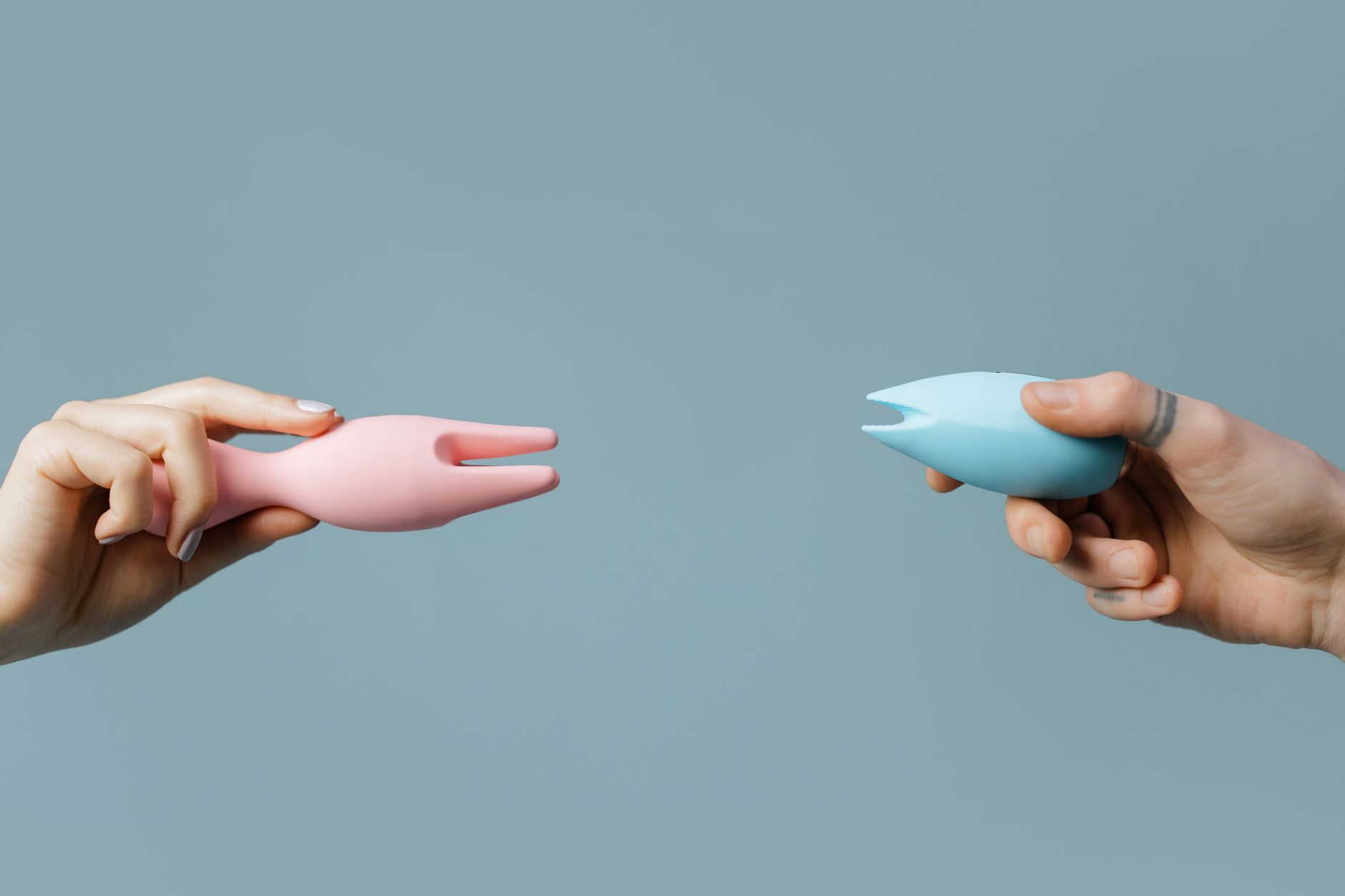
Photo by cottonbro studio on Pexels
The arousal timeline when you're restarting
Understanding what to expect is half the battle. Here's the realistic timeline most people experience when using a lemon clitoral vibrator for the first time after a long break.
Sessions 1–3: The quiet phase. You might feel almost nothing the first time. Or you might feel sensation but no arousal—like your body is noticing the stimulus without responding emotionally. This is completely normal. Your arousal circuits are still asleep. Keep sessions short, 10–15 minutes. Use the lowest suction setting. The goal is exposure, not outcome.
Sessions 4–8: Tiny signals. Around session four or five, you'll start noticing small signs. A flutter in your stomach. A slight tingle. Wetness that wasn't there before. These are whispers, not shouts. Honor them anyway. Your body is waking up. Extend sessions to 20 minutes if you want to, but don't push.
Sessions 9+: Integration. By week three or four, most people report that arousal is building more reliably. What felt absent is now present. The lemon clitoral vibrator becomes a tool that actually works with your body instead of against it.
This timeline assumes you're using the toy 3–4 times per week solo, in a space where you feel safe and unrushed. Frequency matters more than duration.
Practical settings and approach for restarting arousal
If you're using a lemon suction vibrator like the lem, the settings strategy is crucial when you're returning to sex. Most people make the mistake of assuming they want the strongest setting. You don't. You want the slowest, gentlest introduction to sensation.
Start at Pattern 1, the lowest suction setting. Spend at least 2–3 minutes just getting used to the sensation with no goal attached. Many people find it helpful to breathe slowly and pay attention to what they notice rather than what they expect to feel. Arousal after a break is often a whisper, not a shout.
If Pattern 1 feels like almost nothing after 5 minutes, move to Pattern 2. If that still feels absent, try Pattern 3. But most people find that staying with lower patterns for longer actually creates more arousal than jumping to higher intensities. Your nervous system responds better to patient stimulation than aggressive stimulation when it's been dormant.
The mental-emotional part that changes everything
Here's what nobody tells you about restarting arousal: the physical technique matters maybe 40%. The other 60% is emotional permission.
After a long break, guilt often comes with returning to sex. Guilt about the time away. Guilt about wanting pleasure again. Guilt about maybe needing a tool to get there. That guilt sits on your arousal like a wet blanket. No toy can overcome that, no matter how brilliant.
Before you use a lemon clitoral vibrator, give yourself explicit permission. Say it out loud if you need to. "My body deserves pleasure. I'm not broken for needing time away. Using a toy is part of taking care of myself, not proof that something is wrong."
That sounds simple. It matters more than the settings.
When to involve a partner in your return to arousal
If you're restarting sex in a partnership, the conversation happens before the toy does. Your partner needs to understand that this isn't about them failing to arouse you. It's about your nervous system needing a specific kind of stimulus to wake back up.
Many partners get defensive when toys enter the picture, especially when arousal has been difficult. Reframe it together. "I want to rebuild my arousal system so we can both enjoy this more." That's true, and it shifts the dynamic from "you're not enough" to "we're rebuilding together."
Then use the lemon vibrator solo first. Get comfortable. Build a few reliable experiences where arousal actually works. Once you have that foundation, you can explore using it together if you want to—or you might find that your arousal system is awake enough to engage without it.
Signs that arousal is actually coming back online
It's easy to miss the early signs because they're subtle. Here's what to notice.
You think about sex at random moments without prompting. Your body responds to fantasy or memory with actual sensation. Wetness appears before you expect it. Your pelvic floor tightens slightly during the day. You notice attraction to your partner or to images that move you. You touch yourself outside of designated "toy time" just because you feel like it.
These are the signals that your arousal system isn't dormant anymore. They're usually small and easy to dismiss. Don't. They're the proof that your body is coming back.
Common concerns and what actually matters
Most people returning to sex after a long break worry about the same things. Let's address them directly.
"Will my body ever feel the same?" Not identical, but often better. Many people report that returning to arousal after a break actually creates more sensation and responsiveness than before they paused, because they approach it with more intention and less expectation.
"What if nothing happens the first few times?" Nothing happening is normal. Your body needs exposure and practice before arousal reliably shows up. Stick with Pattern 1 for at least 5 sessions before concluding that a lemon vibrator isn't working for you.
"Is it okay to use a toy if I'm in a relationship?" Yes. Full stop. A toy is a tool for your pleasure, not a replacement for partnership. Many couples find that using toys actually improves shared sex because one person's arousal isn't dependent on the other person's performance.
"What if I climax immediately and then nothing works?" That's not a problem. It means your body still knows how to respond. After the first orgasm, you might lose interest, or you might find that your arousal builds again within 10 minutes. Both are fine. The goal isn't multiple orgasms. The goal is proving to yourself that pleasure is still available.
How to think about this as a beginning, not a return
Here's what I tell my clients: you're not returning to where you were. You're starting fresh in a different body with different knowledge. That's actually an advantage, even though it doesn't feel like one.
You now know that arousal can pause and restart. You know your body is resilient. You know that pleasure isn't fragile. And you're approaching sex with intention rather than assumption, which changes everything about the experience. When you're rebuilding pleasure after a long break, lemon clitoral vibrators help because they work with your nervous system instead of demanding it perform.
Take your time. Use the lowest settings. Stay patient. Your arousal will come back. It always does.
People also ask
How long does it typically take for arousal to return after a sexual break?
Most people see noticeable arousal returning within 2–4 weeks of consistent practice, usually 3–4 sessions per week. However, "consistent practice" is key. If you're sporadic or pushing too hard, it takes longer. Your nervous system responds to steady, gentle exposure better than to sporadic intense sessions. Some people feel meaningful changes within a week. Others take 6–8 weeks. Both timelines are completely normal and don't indicate anything is wrong.
Can I use a regular vibrator instead of a lemon suction toy to rebuild arousal?
You can, but it's often less effective. Traditional vibrators rely on sustained vibration that can feel harsh when your arousal system is dormant. Lemon clitoral vibrators use suction instead, which stimulates a wider range of nerve endings more gradually. When you're rebuilding, that gentler approach usually creates faster results. If you already have a traditional vibrator, try using it at the lowest setting for longer sessions (20+ minutes) rather than higher settings for short bursts.
What if I'm using a lemon vibrator and still feel nothing after several sessions?
Take a week off and try again. Sometimes the nervous system needs rest between attempts rather than repeated exposure. When you return, make sure you're in a space where you feel completely safe and unrushed. Arousal after a break is delicate. If distraction or performance pressure is present, nothing works. Also verify that you're starting at Pattern 1. Many people underestimate how subtle that first setting feels and jump to higher patterns too quickly, which paradoxically kills arousal. Slow wins this race.
Is it normal to feel nothing the first time I use a lemon vibrator after years away from sex?
Completely normal. Arousal circuits that haven't been activated in months or years take time to wake up. Feeling nothing doesn't mean the toy is broken or your body is broken. It means you need more exposure. Some people describe the first session as "numb" and the tenth session as "suddenly alive." Your body isn't broken. It's just needs time to recognize the signal.
Can my partner help me rebuild arousal, or should I do it solo first?
Solo practice first is usually more effective, especially in the first 4–6 sessions. Partnered arousal adds complexity—performance pressure, their arousal timeline, emotional dynamics. Once you've had a few reliable solo experiences where arousal actually works, then bring your partner in. When you do, frame it as rebuilding together, not as evidence that something is wrong with you or your relationship. If you're nervous about how your partner will react to using a toy, direct conversation beforehand prevents awkwardness and resentment.
What's the difference between arousal and orgasm when restarting after a break?
Arousal is the whole cascade: blood flow, wetness, tightening in your pelvic floor, mental interest in sex. Orgasm is the release. Many people returning to sex find that arousal comes back first, and orgasm takes longer. That's fine. Focus on rebuilding arousal as the goal for the first month. Once your body trusts that arousal is available again, orgasm usually follows. Don't chase the orgasm. Chase the arousal. The pleasure comes when you do.
Don't wait for the "right time" to restart. There isn't one. The right time is when you decide you're worth the effort, and your body responds better to that decision than it does to perfect circumstances. If you're ready to rebuild, start here—learn what settings work for sensitive tissue when you're returning to arousal.