
The vibration myth that changed everything
Let's get the language straight first. A traditional vibrator vibrates. It moves back and forth, fast. A lemon vibrator doesn't vibrate at all. It uses gentle suction and pulse patterns to stimulate the clitoris. This sounds like a small technical difference. It isn't. This is the difference between two completely different experiences of pleasure.
When you first hold a lemon clitoral vibrator, you might expect it to buzz like every other toy you've tried. It doesn't. The sensation is closer to a gentle kiss that builds and holds. That shift in sensation quality changes what your nervous system experiences, how quickly you reach orgasm, and what the orgasm itself feels like.
Why traditional vibrators vibrate (and why that matters)
Standard vibrators buzz because that's the easiest mechanism to engineer. A small motor shakes the entire device rapidly, typically between 100 and 10,000 oscillations per minute depending on the toy. This works. It absolutely works for many people. The stimulation is immediate, intense, and well understood.
But vibration does two things that not everyone loves.
First, vibration creates broad stimulation across the entire clitoral area. It's like tapping your whole hand on a surface versus pressing one fingertip into it. If you have sensitive tissue, if your clitoris is tender, or if you find broad stimulation overstimulating, a traditional vibrator can feel like too much too fast.
Second, vibration can numb the area over time. Your nerve endings adapt. The longer the vibration continues, the more sensation you lose. Many people need to keep turning up the intensity to feel the same effect. It's not a flaw in the design. It's how sensory adaptation works. But it means you end up chasing intensity rather than enjoying depth.
What lemon vibrators do differently
Lemon clitoral vibrators work with suction and gentle pulsing. The motor doesn't shake the whole toy. Instead, it creates a gentle pressure and release pattern directly on the clitoris. Think of it like a slow, controlled breath rather than a rapid flutter.
This approach has several practical advantages.
Targeted sensation. The suction focuses stimulation on the clitoral head rather than spreading it across the entire vulva. If you prefer focused, direct pleasure, this is immediately noticeable. People often describe the sensation as more concentrated and easier to control mentally.
No numbing plateau. Because suction works differently than vibration, sensory adaptation happens more slowly. Many people find they can sustain pleasure for longer without needing to increase intensity. That means longer, often deeper orgasms.
Customizable intensity through patterns. Lemon vibrators typically offer multiple pulse patterns rather than just a speed dial. You can shift between different rhythms to explore what your body responds to. Some people find a particular pattern that creates sustained arousal. Others use pattern changes to build and then back off intentionally.
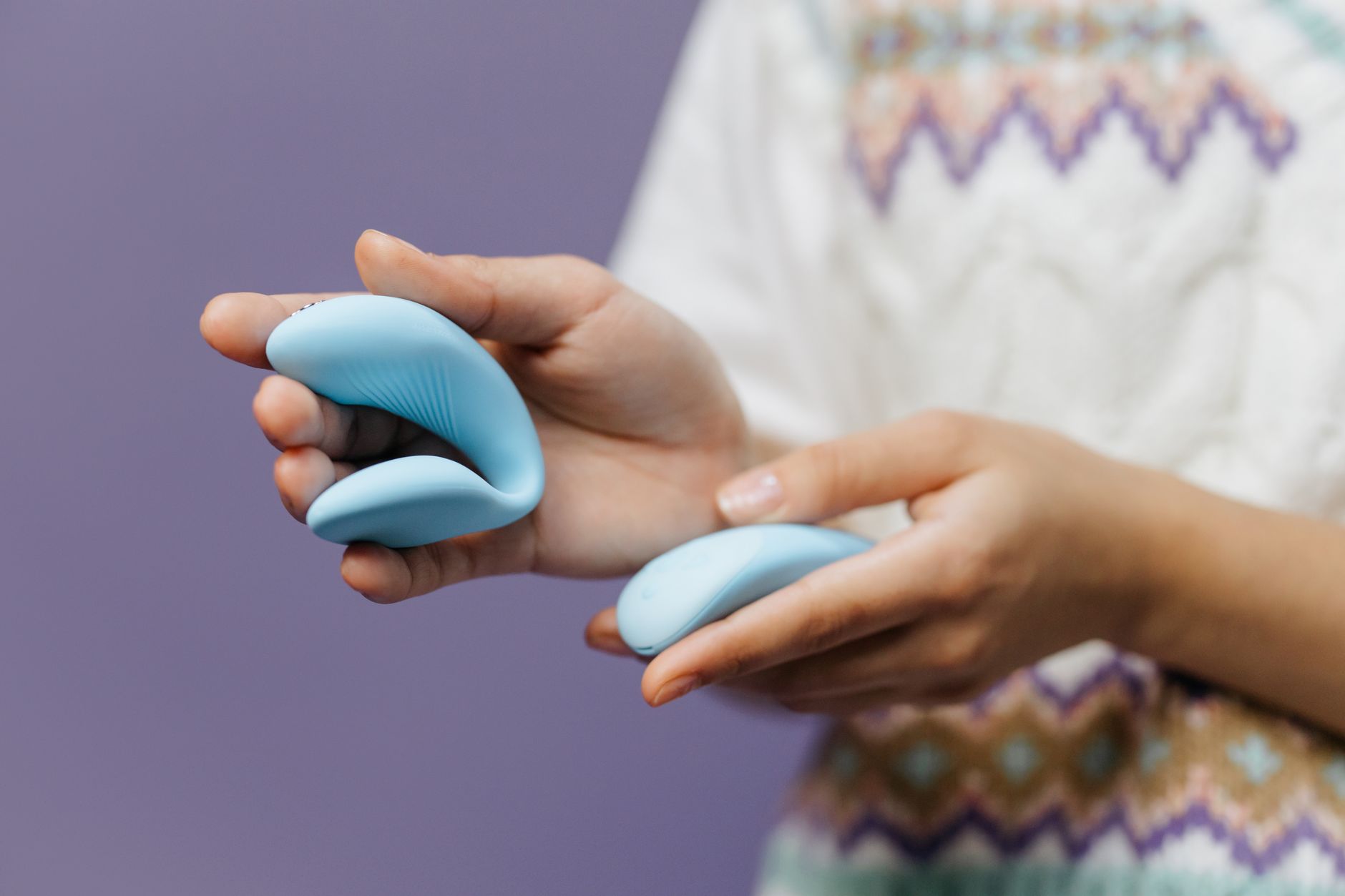
Photo by cottonbro studio on Pexels
The nerve science underneath
Your clitoris has roughly 8,000 nerve endings concentrated in a tissue about the size of a pea. That density matters. These nerves respond to different types of stimulation. Some respond best to sustained pressure. Others respond to rhythmic changes. Vibration hits the rapid-response nerves effectively but can overwhelm tissue that prefers slower, more sustained input.
Suction stimulates those sustained-pressure nerves more directly. It creates a different chain reaction in your nervous system. That chain reaction often builds more gradually but also sustains longer. Clinical observations from people who've tried both consistently report that lemon vibrators produce longer arousal ramps and more intense final orgasms. That's not because one toy is "better." It's because they're accessing different parts of your nervous system.
This is especially true if you've spent years using traditional vibrators. Your body may have adapted to that stimulus pattern. Switching to a lemon clitoral vibrator can feel like you're discovering sensation you didn't know you'd lost.
Comfort and tissue health
Here's where the comparison matters clinically. Traditional vibrators deliver rapid mechanical force to delicate tissue. If you have any vulvodynia, hypersensitivity, or recovering tissue (post-surgery, postpartum, or from infection), that mechanical force can be painful.
Lemon vibrators use suction and pulse, which is gentler on tissue while still being effective. Many people managing sensitivity issues find that a lemon clitoral vibrator allows them pleasure without pain. That's not a small thing. For someone rebuilding their relationship with their body, the difference between a toy that hurts and one that feels safe can be the difference between continuing to explore and stopping altogether.
The pleasure learning curve
One honest note: lemon vibrators do have a learning curve that traditional vibrators don't. With a buzzing vibrator, you usually feel immediate response. The sensation is obvious. You know what's happening.
With a lem vibrator, the sensation is more subtle at first. The suction feels gentle. The pulse patterns might seem mild. Then, about thirty seconds in, you notice your body responding differently. The arousal builds in a different place. The sensation feels less like external buzzing and more like internal building. This is the learning curve.
Many people get frustrated in the first minute and assume the toy isn't working. They don't. They're just waiting for the wrong sensation to arrive. Once you understand that the experience is gentler and slower building, not weaker, the curve flattens immediately. And most people never go back to traditional vibrators after that point.
Which is right for you
This isn't about one being objectively better. It's about which one matches your body and what you want from pleasure.
Choose a traditional vibrator if you love immediate, intense sensation. If you want something straightforward and predictable. If you've been using vibrators for years and know exactly what your body responds to. They work, they're accessible, and there's no shame in that.
Choose a lemon clitoral vibrator if you have sensitive tissue. If you want a longer arousal experience. If you've noticed numbing over time with traditional toys. If you're exploring pleasure for the first time and want something gentler. If you want to experience a different kind of orgasm than what you've had before.
Or choose both. Plenty of people use lemon vibrators for longer, more exploratory sessions and traditional vibrators for quicker solo time. Your pleasure isn't binary.
Pairing with a partner
If you're using a lemon clitoral vibrator with a partner, the shift in sensation changes the dynamic too. Because you're not being buzzed into overstimulation, you can stay engaged mentally and emotionally longer. The arousal builds in a way that allows for more connection during the process. Many couples find that lemon vibrators create a different rhythm for partnered sex. It's less about quick escalation and more about sustained pleasure.
That rhythm difference sometimes matters more than the actual sensation. If you've been struggling to find a way to incorporate a toy into partnered sex without it feeling clinical or hurried, a lemon vibrator might create the pacing you need.
The real comparison
In the end, here's what you're actually choosing between. Traditional vibrators offer speed and intensity. They work immediately. They're predictable. But they can numb. They can feel too broad. They can create a chase-the-intensity dynamic that's eventually exhausting.
Lemon vibrators offer subtlety and depth. They require a moment of attunement. They work differently on different bodies. But they sustain sensation longer. They allow pleasure to build gradually. They often create the kind of orgasms people describe as full-body and long-lasting. That difference in how the orgasm feels is worth understanding before you choose.
If you're considering exploring a lemon clitoral vibrator for the first time, start with a standard pattern at a low intensity. Give yourself at least two minutes before deciding if it's working. Most of the time, when people think a lemon vibrator isn't for them, they're just not giving their body time to recognize a new sensation pattern. Your nervous system needs a moment to recalibrate. Once it does, the difference becomes obvious.
People Also Ask
Are lemon vibrators better for beginners than traditional vibrators?
Lemon vibrators are often better for beginners because they're gentler and less overwhelming. If you're exploring pleasure for the first time and feel nervous about intensity, a lemon clitoral vibrator creates a lower-pressure entry point. The sensation is less "buzzing" and more "building," which feels less clinical to many people. That said, if you already know you like strong, immediate sensation, a traditional vibrator might be more satisfying from the start. It depends on what sounds appealing to you, not on beginner versus experienced.
Do lemon vibrators take longer to create orgasm?
Lemon vibrators typically take longer to build arousal, which means they often take longer to reach orgasm compared to traditional vibrators. However, once the arousal builds, many people experience more intense final orgasms. So it's not that lemon vibrators are slower overall. It's that they shift the timeline. You spend more time in arousal and less in the final push. Some people find that trade-off completely worth it. Others prefer the quick escalation of a traditional vibrator. There's no single answer.
Can you use a lemon vibrator every day?
Yes, you can use any vibrator daily without harm. What matters is listening to your body. If you're using a lemon vibrator and you notice any sensitivity, irritation, or numbing, take a day off. Most people don't experience tissue issues with daily use if they're using appropriate lubrication and not applying excessive pressure. If you're using a traditional vibrator every day and noticing numbness increasing, taking breaks or switching to a lemon vibrator might help your sensitivity recover.
Do lemon vibrators work for everyone?
Lemon vibrators work for most people, but not everyone. Some people's nervous systems just respond better to vibration than suction. That's not a problem. It just means a traditional vibrator is the better match for your body. You can try a lemon vibrator and genuinely prefer a traditional one. That's not failure or confusion. That's useful information. Your body knows what it likes.
What's the difference in price between lemon vibrators and traditional vibrators?
Lemon vibrators are typically priced similarly to good quality traditional vibrators, ranging from around sixty to ninety dollars depending on the brand and features. The price difference comes down to engineering and materials, not whether one is inherently more expensive. You can find cheap versions of both and premium versions of both. Quality matters more than whether you choose suction or vibration.
Can you feel the suction with a lemon vibrator if you have numbness?
If you have significant numbness in the clitoral area from long-term vibrator use, medication, or nerve damage, you might need to start with a lemon vibrator at moderate intensity to feel it initially. But because lemon vibrators stimulate differently, many people experience sensitivity returning over time when they switch from traditional vibrators. The gentler stimulation gives nerve endings a chance to recover. This isn't guaranteed, but it's common enough that people managing numbness often see improvement with a lem vibrator.